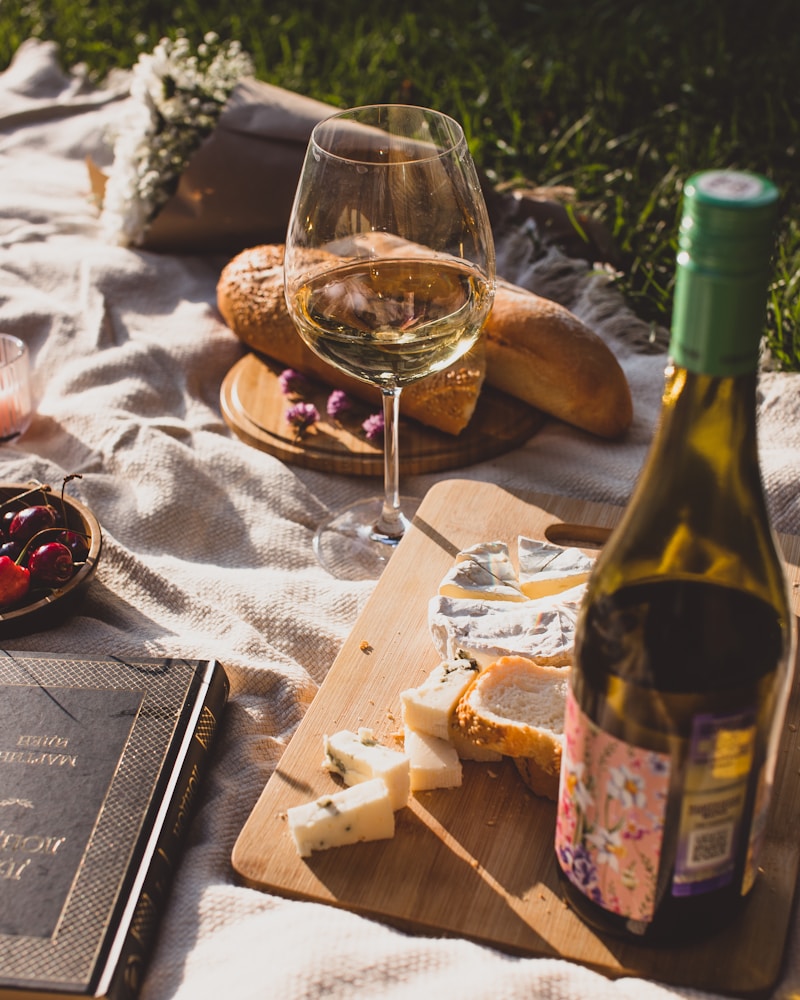
The Awakening Sauvignon Blanc: When Spring Falls into Your Glass
Sauvignon Blanc ist wie ein Frühlingsweckruf im Glas – elektrisierend, zitrisch, lebendig und immer ein wenig wie ein neuer Morgen.
The Awakening Sauvignon Blanc: When Spring Falls into Your Glass
Dear wine lovers,
imagine opening a window on a cool morning, before the city has woken up. The air is crisp, the birds are hesitating with their first call, and somewhere you can smell freshly cut grass, damp stones, and the promise of a new day. That is exactly what a sip of Sauvignon Blanc feels like: a wake-up call for the senses, a bright flash in everyday life.
Hardly any white grape variety is as uncompromising, as direct, as electrifying as this wine. Sauvignon Blanc is not a shy companion hiding in the background. It storms onto the stage – with gooseberry, grassy notes, lime, elderflower, and sometimes a touch of flint, as if a summer thunderstorm had left its mark in the glass. It is the espresso among white wines: not for falling asleep, but for waking up, arriving, feeling alive.
What makes it special? Its wonderfully high acidity, its light to medium body, and that intense aromatics that ranges from crystal-clear citrus freshness to exotic passion fruit. In New Zealand it shows itself wild and tropical, in the Loire precise and mineral, in Bordeaux noble and elegant, in Chile sun-drenched yet surprisingly cool in impression. Sauvignon Blanc is the globetrotter among grape varieties – always itself, but a little different everywhere.
---
1. The Globetrotter in the Glass: Where Sauvignon Blanc Feels at Home
Sauvignon Blanc has many stamps in its wine passport, but a few regions are its true heartlands. Each of them gives it its own dialect, its own accent, its own character.
Loire – The Cool Soul of Sauvignon
On the Loire, especially in appellations like Sancerre and Pouilly-Fumé, Sauvignon Blanc shows its aristocratic side. Here it is slender, focused, almost crystalline. The aromas are reminiscent of lime, green apples, fresh herbs, elderflower – and often of wet flint or chalk, that famous “mineral” note that feels like a whisper of rock and earth.
Loire Sauvignons are the purists: high acidity, a chiselled, clear progression on the palate, a cool, almost ascetic elegance. They are like a clear stream running over pale stones – nothing superfluous, nothing loud, but depth, precision, and an almost salty freshness.
New Zealand – The Wild, Tropical Seduction
Marlborough in New Zealand has given Sauvignon Blanc a new, bold entrance. What leaps out of the glass here is pure fruit explosion: gooseberry, passion fruit, grapefruit, lime zest, often accompanied by cassis leaves and intense green notes. The first sip is like a bright splash of colour on a white canvas.
The wines are usually crystal-clear, aged in stainless steel, with racy acidity and aromatic abundance. They are the pop music among Sauvignons – catchy, infectious, a little loud, incredibly moreish. Anyone who has had a great Marlborough Sauvignon in the glass will never forget this vibrant tropical fruit firework.
Bordeaux – The Elegant Team Player
In Bordeaux, Sauvignon Blanc rarely appears alone – it usually forms a duo with Sémillon, sometimes supported by Muscadelle. Especially in the region of Pessac-Léognan, this results in elegant white wines, often aged in oak, with more structure, texture, and ageing potential.
Here Sauvignon Blanc shows a riper, calmer side: citrus fruits, white blossoms, a touch of honeydew melon, plus delicate spice from the wood – vanilla, a hint of toast. The result is a wine with more body and depth, without losing its typical enlivening acidity. Bordeaux Sauvignon is like a tailored suit for someone who still wears sneakers at heart.
Chile – The Cool Breeze from Warm Latitudes
Chile, especially cooler regions like Casablanca Valley or Leyda, offers Sauvignon Blanc a fascinating home. Proximity to the Pacific, with its cool winds and fogs, ensures that the grapes ripen slowly and retain their fresh acidity.
Stylistically, Chilean Sauvignons often move between Loire and New Zealand: citrus fruits and lime meet gooseberry, herbs, and sometimes a hint of tropical fruit. They are clear, lively, often somewhat more approachable and softer than the cool Loire wines, but not quite as extroverted as their New Zealand counterparts. An ideal starting point for anyone wanting to discover the variety.
---
2. From Stainless Steel to Barrique: How Ageing Shapes the Character
Sauvignon Blanc is sensitive – everything that happens in the cellar is mirrored in the glass. Above all, the choice between stainless steel and oak is a stylistic crossroads.
Stainless Steel – Pure, Unadulterated Energy
Sauvignon Blanc aged in stainless steel is the essence of the variety: unveiled, direct, crystal-clear. Cool stainless steel preserves freshness, keeps the crisp acidity, and lets the typical aromas of gooseberry, grass, elderflower, and lime shine in full intensity.
These wines are usually light to medium in body, highly drinkable, and feel like biting into a still-cool, green fruit. Most Sauvignons from New Zealand, Chile and many from the Loire follow this path. The focus is on the “now” – they want to be drunk young, experienced fresh, and shared with friends.
Oak – The Tamed Storm
In oak – especially in barrique – Sauvignon Blanc transforms almost like a young wild thing learning manners in good company without losing its character. This style is seen particularly in Bordeaux and among ambitious Loire producers.
The wood adds a new dimension: more texture, some creaminess, aromas of vanilla, toast, sometimes smoke. The fruit appears riper, less green, more citrus-yellow and stony than grassy. The acidity remains, but is cushioned by the texture. This creates wines with more body and ageing potential that pair beautifully with more complex dishes.
Stainless steel vs. oak in one sentence:
Stainless-steel Sauvignon is the untamed spring storm sweeping through your window; oak-aged Sauvignon is the same storm – but you are watching it through a large, warm panoramic window with a glass in your hand.
---
3. Pairing Recommendations: The Perfect Partner
Sauvignon Blanc is a master of food pairing, especially thanks to its high acidity and green, fresh aromas. It loves everything that is equally fresh, herbal, salty, or citrusy – and it has a very special relationship with goat’s cheese.
| Gericht | Wein-Stil | Warum es funktioniert |
|---------------------------------|--------------------------------------|------------------------|
| Ziegenkäse auf warmem Baguette mit Honig und Thymian | Loire-Sauvignon (z. B. Sancerre) | The high acidity of the Sauvignon cuts through the creaminess of the cheese, its mineral and herbal notes dance around thyme and honey – a classic love affair. |
| Ceviche von weißem Fisch mit Limette, Koriander und Chili | Neuseeländischer Sauvignon Blanc | The citrus and tropical fruit aromas mirror the lime and freshness of the fish, the crisp acidity lifts the texture, the green notes suit the coriander; the fruitiness softens the heat of the chilli a little. |
| Gegrilltes Gemüse (Spargel, Zucchini, Fenchel) mit Zitronen-Olivenöl | Chile- oder Loire-Sauvignon, im Stahltank ausgebaut | The green and citrus aromas of the wine pick up the vegetable tones and lemon, the acidity brings lightness, while the light to medium body accompanies the smoky notes from the grill with elegance. |
---
4. FAQ – 10 Questions for Sauvignon Blanc Lovers
❓ 1. Is Sauvignon Blanc always dry?
Most Sauvignon Blancs are made dry, especially those from Loire, New Zealand and Chile. But there are also off-dry or slightly sweet versions, particularly in some French regions or special cuvées. On the label you’ll find indications such as “dry”, “trocken”, “demi-sec” or “off-dry”.
---
❓ 2. What does Sauvignon Blanc typically taste like?
Typical are aromas of gooseberry, freshly cut grass, elderflower, lime and other citrus fruits. Depending on the region, notes of passion fruit, grapefruit, green bell pepper, cassis leaves or flint may join in. On the palate it feels light to medium in weight, with high, lively acidity – refreshing, clear and usually very aromatic.
---
❓ 3. At what temperature should I serve Sauvignon Blanc?
Ideally around 8–10 °C (46–50 °F). Too cold (straight from a very cold fridge) and you numb the aromas; too warm and it can quickly seem sharp, with the acidity dominating. Take the bottle out of the fridge about 15 minutes before serving – it will usually find the right balance on its own.
---
❓ 4. Can Sauvignon Blanc age, or should it be drunk young?
Most Sauvignon Blancs are made to be drunk young – within 1–3 years of harvest. Exceptions are high-quality Loire wines (e.g. Sancerre, Pouilly-Fumé) or Bordeaux cuvées, often with oak ageing. These can develop positively for 5–10 years and longer, becoming more complex, mature and spicy.
---
❓ 5. How does Sauvignon Blanc differ from Chardonnay?
Sauvignon Blanc is more aromatic, greener, fresher – with higher acidity and notes of gooseberry, grass and citrus. Chardonnay is more flexible in style: from crisp and citrusy to buttery and oak-driven. Chardonnay can feel fuller and creamier, with aromas of apple, pear, stone fruit and – with oak – vanilla and toast. If you’re looking for a “crisp citrus blade”, reach for Sauvignon Blanc; for “gentle creaminess”, go for Chardonnay.
---
❓ 6. Why does my Sauvignon Blanc smell of “cat’s pee” or bell pepper?
Some Sauvignon Blancs show very intense green or animal notes – from blackcurrant bud to nuances some describe as “cat’s pee”. Certain aroma compounds (thiols) are responsible. In moderation they contribute to typicity; when overpowering, they can be disturbing. Wine style, climate and harvest time all have a strong influence.
---
❓ 7. Does Sauvignon Blanc go with spicy food?
Yes – with care. A fruit-driven Sauvignon with moderate alcohol (e.g. from New Zealand or Chile) can be wonderful with mildly to moderately spicy cuisine, such as Thai or Mexican. The fruit softens the heat, the acidity provides freshness. For extremely spicy dishes, however, off-dry wines (e.g. Riesling) are often the better choice.
---
❓ 8. What are the best glasses for Sauvignon Blanc?
Choose a medium-sized white wine glass with a tulip-shaped opening. This allows the intense aromas to concentrate without dissipating too quickly. Glasses that are too small mute the nose, those that are too large make the wine seem diffuse. Special “Sauvignon Blanc” or “aromatic white” glasses are ideal, but not essential.
---
❓ 9. What’s the difference between Sancerre, Pouilly-Fumé and a New Zealand Sauvignon?
- Sancerre / Pouilly-Fumé (Loire): cool, mineral, citrusy and herbal wines with elegant structure, rather restrained fruit, high acidity, often a fine flinty tone.
- New Zealand (Marlborough): very fruit-driven, expressive wines with gooseberry, passion fruit, grapefruit, cassis leaves; more powerful aromatics, often a bit louder and more immediate.
Both styles are quintessentially Sauvignon Blanc – just with different “volume settings” and a different accent.
---
❓ 10. Who is Sauvignon Blanc the right wine for?
For you if you love wines that shake you awake rather than lull you to sleep. If you appreciate freshness, clarity, citrus, green aromas and lively acidity. If you want a wine that suits light dishes, long summer evenings on the balcony, but also a clear winter’s day. Sauvignon Blanc is no quiet whisperer – it is a friend who takes you by the arm and says: “Come on, life is waiting outside.”
---
Sauvignon Blanc is more than just a grape variety. It is a moment – the first breath after the rain, the cool touch of early morning, the beat of a heart that is happy. Every glass is a small awakening. And perhaps, the next time you get that citrusy, grassy scent in your nose, you will feel it too: this is spring that has decided to become liquid.