Feuerherz Primitivo: When Apulia’s Sun Sets in Your Glass
Ein sinnlicher Streifzug durch die Welt des Primitivo: Herkunft, Ausbau, Foodpairing & Antworten auf die häufigsten Fragen rund um Apuliens Feuerherz.
Feuerherz Primitivo: When Apulia’s Sun Sets in Your Glass
---
Introduction
Dear wine lovers,
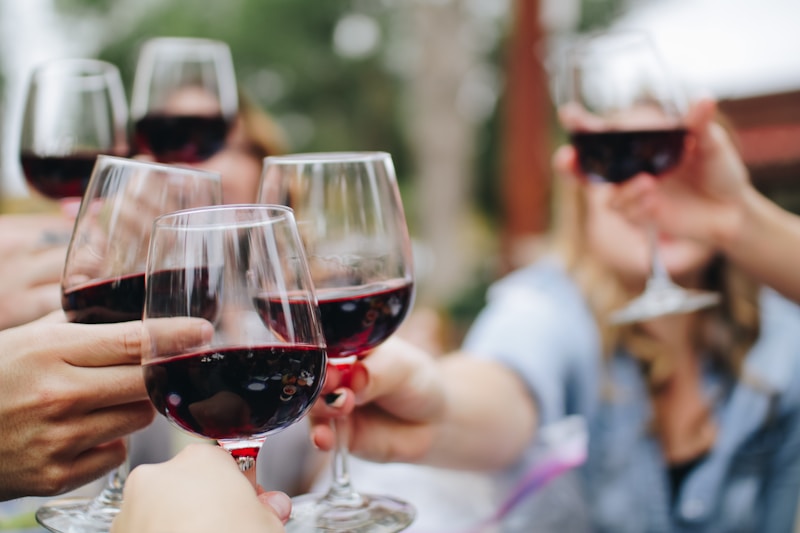
sometimes we encounter a wine that doesn’t just want to be drunk, but felt – in the nose, on the tongue, and above all in the heart. Primitivo is exactly that kind of wine: not shy, not quiet, but a warm, dark glow that embraces you the moment the first ruby red slips into the glass.
Primitivo is Apulia’s blazing sun condensed into liquid velvet. On the nose, black cherries, juicy plums and ripe blackberries dance, wrapped in sweet spices, pepper and a hint of tobacco – like cigar smoke on a summer night. It is a wine that tells stories: of dusty country roads, of the shimmer of the sea in the distance, of old farmers’ hands that have touched the same vines for generations. A wine that doesn’t merely accompany, but sets the pace – opulent, sensual, with the easy-going gesture of an endless late summer evening.
When you drink Primitivo, you’re not drinking a wine “on the side”. You’re drinking a moment. A sunset over whitewashed villages where crickets chirp, the air smells of herbs and somewhere a radio is softly playing Italian songs. Let’s set off on this journey together – down into the heel of Italy, where Primitivo is at home and where it learns to be as passionate as it appears to us in the glass.
---
1. The globetrotter in your glass: Where Primitivo makes its home
Primitivo is deeply rooted in Apulien, the heel of the Italian boot. Here, where the summer heat shimmers and the wind carries salt from the sea, this grape variety finds its true calling. Yet even within Apulien, it shows many different faces.
Puglia – the great heartland
When people talk about Primitivo, they often mean “Puglia” in a broad sense. This region is its epicenter, the great sun-drenched garden where it grows on old bush vines that look like gnarled hands buried in the soil.
The “classic” Primitivo from Puglia is full-bodied, warm, dark and fruit-driven: black cherry, plum, blackberry, dried fig. Acidity stays pleasantly medium, the tannins are usually soft and ripe. It feels like a friendly giant – powerful yet warm-hearted.
Salento – between two seas
The Salento peninsula, way down south, is like a ship between the Adriatic and the Ionian Sea. Summers are particularly hot here, and the grapes can revel in their full ripeness under the sun.
Primitivo from the Salento is often especially opulent, with intense notes of cooked-down fruit, sweet spices and a touch of raisin or fig. This is where you find the “sinful” Primitivos, which often pack a little more alcohol yet spread across the palate with polished tannins and an almost creamy texture. A Salento Primitivo is the whispering confessor of sweetness – never clumsy, always seductive.
Manduria – the famous stronghold
Manduria is something like the spiritual center of the Primitivo cult. “Primitivo di Manduria” enjoys an almost legendary reputation. Limestone soils and the maritime climate give rise to wines of great density, yet with a certain, almost salty freshness.
The style: dark, concentrated, complex. Black cherry, blackberry, plum, joined by pepper, tobacco, sometimes a hint of liquorice and dark chocolate. Manduria Primitivos are often more long-lived, structured and serious, without losing their sensual side. They’re the espresso version of Primitivo – intense, deep and lingering.
Gioia del Colle – the elegant heights
In the slightly higher inland hills sits Gioia del Colle. The climate here is a bit cooler, with greater temperature differences between day and night. That brings tension and verve to the wine.
Primitivo from Gioia del Colle often shows more freshness, with more pronounced acidity, a body that feels lighter (compared with the hefty brothers from Manduria or Salento) and a clearer, almost cherry-juice-like fruit. Black cherry, red berries, spice, with fewer jammy tones. This is Primitivo in its more “demure”, yet immensely charming form – a dancer rather than a weightlifter.
Taranto – the harbour of abundance
Taranto, with its harbour and closeness to the sea, is another important landmark in the Primitivo map. The soils are partly sandy, partly calcareous, and sea breezes gently cool the vines.
Wines from this area are often harmonious mediators: rich, but not excessive; spicy, but not sharp. Blackberry, plum, sweet spices and a touch of tobacco – they show the typical Primitivo profile in a very approachable guise. Taranto is like the welcoming city gate to the realm of Primitivo.
---
2. From steel to barrel: How maturation shapes the soul
The path Primitivo takes after harvest shapes its character almost as much as vineyard location. Ageing in stainless steel or in wooden barrels is no mere technicality – it’s a matter of personality.
Primitivo from stainless steel – pure, unadorned fruit
In stainless steel, the wine stays far away from any wood notes. The tank is neutral; it adds nothing, but also takes nothing away. The result is a Primitivo that focuses on its fruit and natural spice.
You smell and taste intense black cherry, plum, blackberry – often fresher and juicier – with a hint of pepper and sweet spices that come straight from the grape. The texture is full, yet usually more straightforward. The medium acidity stands out more clearly, everything feels a bit livelier, more unruly.
Stainless-steel Primitivo is like a sunset without filters – direct, clear and honest. Ideal if you want to get to know the grape in its “naked” expression.
Primitivo from wooden barrels – velvet, depth and subtle smoke signals
Once Primitivo enters wooden barrels – whether large casks or barriques – a gentle transformation begins. The point is not to disguise the wine, but to soften its contours and gift it new aromatic layers.
Wood can bring notes of vanilla, caramel, toast, cocoa and delicate smokiness. Combined with Primitivo’s dark fruit, this creates hints of tobacco, dark chocolate, sweet spices (cinnamon, clove, a touch of nutmeg) and sometimes even a whiff of coffee. Tannins become rounder and more supple, the wine feels creamier, almost cushioned in velvet.
A barrel-aged Primitivo is like a summer evening slipping into night: colours deepen, voices soften, the atmosphere becomes denser. It gains in complexity and turns into a wine for contemplation – a wine to sip slowly while the crickets chirp outside and time seems to stand still for a moment.
Balance is everything
Between steel and wood, there are countless gradations: part wood, part steel, shorter or longer barrel ageing, older or newer casks. All of this varies the style – from fruit-forward charmer to multi-layered character.
For you as a wine lover, it’s worth exploring both worlds. Stainless steel shows you Primitivo’s pulse; wood reveals its depth.
---
3. Pairing recommendations: The perfect partner
Primitivo is a generous host at the table: its richness, medium acidity and soft tannins make it a versatile food partner, especially for hearty Mediterranean cuisine.
| Gericht | Wein-Stil | Warum es funktioniert |
|----------------------------------------|------------------------------------|----------------------------------------------------------------------------------------|
| Geschmorte Lammhaxe mit Rosmarin & Knoblauch | Im Holzfass gereifter Primitivo | Die kräftigen, herzhaften Aromen des Lamms umarmen die dunkle Frucht, Würze & Tabaknoten des Weins. Fett & Proteine zähmen die Tannine, der Wein wirkt noch weicher. |
| Pizza „Diavola“ mit scharfer Salami & Peperoni | Fruchtbetonter Primitivo aus dem Stahltank | Die saftige Frucht puffert die Schärfe, während Pfeffer- und Gewürznoten die pikanten Beläge aufgreifen. Der volle Körper hält mit dem intensiven Belag mühelos mit. |
| Gereifter Hartkäse (Pecorino, Parmigiano) | Kräftiger, leicht gereifter Primitivo (teils Holz) | Die salzige, nussige Tiefe des Käses verschmilzt mit den Noten von Feige, Pflaume & süßen Gewürzen. Der Wein wirkt fast wie ein dunkler Fruchtkompott zum Käse. |
---
4. FAQ – 10 questions for Primitivo lovers
❓ 1. Are Primitivo and Zinfandel the same grape?
Yes, genetically they’re the same variety. In Italy it’s called Primitivo, in California Zinfandel. Still, the wines taste different because climate, soils and winemaking differ. Primitivo from Apulien often feels warmer, softer and sweeter in its fruit, while Zinfandel can appear spicier, sometimes higher in alcohol and a bit more angular.
---
❓ 2. Why is the grape called “Primitivo”?
The name derives from the Italian “primo” (the first). Primitivo ripens relatively early, “first” compared to other varieties. It’s not “primitive” in the sense of simple – it’s more the early riser of the vineyard.
---
❓ 3. Does Primitivo always taste sweet?
Primitivo is usually made dry, but its ripe, cooked-fruit character can often come across as sweetish. Sometimes a touch of residual sugar is left, especially in very fruit-driven, crowd-pleasing styles. The sweetness often recalls jam, plum butter or figs, without the wine actually being a dessert wine.
---
❓ 4. How much alcohol does Primitivo typically have?
Primitivo loves sun – and sun means sugar in the grapes, which turns into alcohol. Many Primitivos sit between 13.5 and 15% ABV, some even above. Yet when well made, they can feel surprisingly balanced because fruit, spice and body cushion the alcohol.
---
❓ 5. What is the ideal serving temperature?
Serve Primitivo at about 16–18 °C (60–64 °F). Too warm and it feels alcoholic and heavy; too cool and it closes up aromatically. Slightly chilled Primitivo (15–16 °C / 59–60 °F) can be especially harmonious on warm evenings – it warms up quickly in the glass.
---
❓ 6. Do I need to decant Primitivo?
For young, powerful Primitivos, a short decant of 30–60 minutes is worthwhile. The fruit opens up and the spice and tobacco notes show more clearly. A simpler, fruit-driven everyday Primitivo from stainless steel can go straight from bottle to glass – it’s made to charm you on the spot.
---
❓ 7. How long can I cellar Primitivo?
Many approachable Primitivos are made to be enjoyed within the first 3–5 years, when the fruit is at its juiciest. High-quality wines from Manduria or Gioia del Colle, especially those aged in wood, can age beautifully for 8–10 years and longer. Over time, dried fruits, leather, tobacco and spice move to the foreground while the primary fruit becomes quieter.
---
❓ 8. How do I recognise a good Primitivo on the shelf?
Look for appellations such as “Primitivo di Manduria” or “Gioia del Colle”, which often come with higher quality standards. A reputable producer name, moderate alcohol (don’t automatically grab the highest) and a clear, serious label without over-the-top “plush” design are good signs. Price-wise, many good bottlings sit in a very fair range – you don’t need a fortune to drink quality.
---
❓ 9. Does Primitivo pair well with vegetarian dishes?
Yes, very much so, as long as the dishes have enough “substance”. Think roasted vegetables with Mediterranean herbs, baked aubergines, lentil stews, mushroom risotto or pasta with tomato ragù and olives. Primitivo’s dark fruit and spice embrace roasted flavours and robust sauces beautifully.
---
❓ 10. Who is Primitivo the right wine for?
For you, if you love wines that don’t whisper but speak – warm, open, sensual. If you enjoy a red wine that instantly paints pictures in your mind: of summer evenings, of ripe fruits, of spice stalls in a southern Italian market. Primitivo is not a wine for ascetic minimalists, but for people who like to surrender – to a glass, a moment, a feeling.
---
In the end, when the glass is almost empty and only a dark shimmer remains at the bottom, one thing lingers above all: the feeling of having held Apulia’s sun in your glass for a fleeting moment. And perhaps, just perhaps, Primitivo is already softly calling you to your next rendezvous.