The Golden Muse Chardonnay: When Sunlight Turns into Wine
Chardonnay ist kein Wein, sondern ein flüssiger Sonnenaufgang: ein Chamäleon im Glas, das Klima, Terroir und Winzerseele sinnlich spürbar macht.
The Golden Muse Chardonnay: When Sunlight Turns into Wine
Dear wine lover,
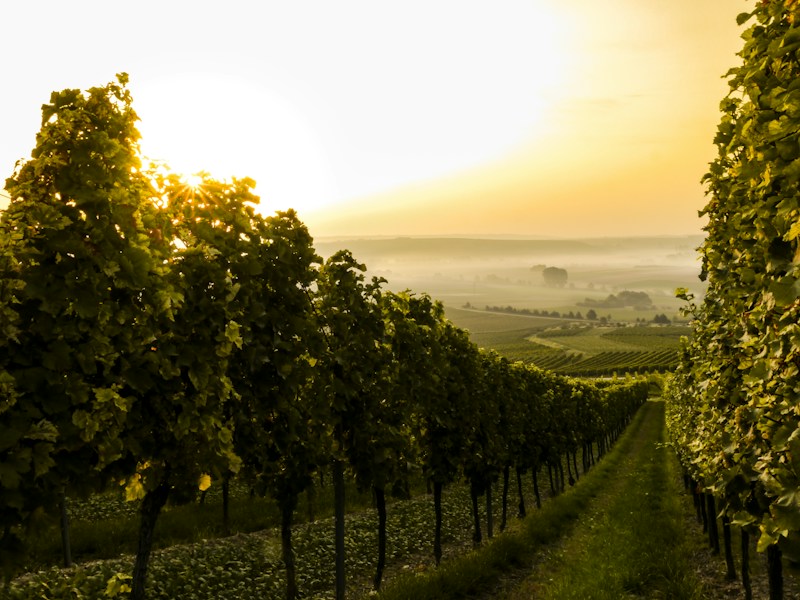
imagine you open a bottle and the very first scent is like a liquid sunrise: warm, golden, shimmering – a wine that embraces not only your palate, but your soul. Chardonnay is exactly that: a gentle promise in the glass, a quiet, luxurious moment that takes you out of everyday life for a few precious minutes.
Hardly any other white grape variety is as versatile, as expressive, and as uncompromisingly honest as Chardonnay. It can be taut and cool like an early morning on the limestone slopes of Burgund, or opulent, sun‑ripened and buttery like a late summer afternoon in California. It can dance in the fine beaded gown of Champagne or whisper with creamy opulence in your glass. Chardonnay is a chameleon – and that is precisely where its magic lies: it always mirrors the person who makes it and the soil on which it grows.
When you raise your glass and the wine shimmers golden, when you perceive ripe peaches, lemon, green apple, melon, creamy vanilla, roasted hazelnuts and a cool, mineral breeze, then you know: here, nature and craftsmanship meet in perfect harmony. Chardonnay is not simply a white grape – it is a feeling, a style, a quiet inward attitude in the glass.
---
1. The Globetrotter in Your Glass: Where Chardonnay Feels at Home
Chardonnay is one of the great cosmopolitans of the wine universe. Originally rooted in Burgund, it set out to conquer the world – and everywhere it went, it discovered a new face, a new nuance.
Burgund – The Cradle of Elegance
In Burgund, Chardonnay is not just wine, it is culture. Here, on limestone and clay soils, it shows an impressive tension between richness and radiance. The famous appellations like Chablis, Meursault or Puligny-Montrachet are like different chapters of a great novel.
- Style: rather cool, mineral, precise. In Chablis usually without, or with very subtle, oak: lemon, green apple, wet limestone, sometimes a hint of shell and chalk notes.
- In the Côte de Beaune sites (e.g. Meursault, Puligny-Montrachet) it becomes a bit more generous: ripe peach, restrained vanilla, roasted nuts, all wrapped in fine yet present acidity.
Burgundian Chardonnay often feels like a silk scarf draped over a steel framework: sensual, yet with clear contours.
Champagne – The Queen in Pearled Form
In Champagne, Chardonnay is the base for some of the noblest sparkling wines in the world, especially the “Blanc de Blancs”. Here, the grape shows its brightest, most dancing side.
- Style: light to medium‑bodied, high acidity, lemon, green apple skin, white blossoms, chalk and wet stones.
- With bottle fermentation, brioche, yeast, hazelnut, butter join in – a complex composition of freshness and maturity.
Champagne made from Chardonnay is like a fine, sparkling veil: playful, precise and yet of great depth when you give it time in the glass.
California – Sunshine in a Glass
In California, especially in regions like Napa Valley, Sonoma and Santa Barbara, Chardonnay demonstrates just how profoundly climate and the winemaker’s hand can transform it. Here, abundant sunshine and cool nights meet modern know‑how.
- Style: medium‑ to full‑bodied, generous, often with pronounced oak influence.
- Aromas of ripe peach, yellow apple, melon, plus butterscotch, vanilla, caramel, roasted hazelnuts when lots of barrique is in play.
- Acidity is usually medium to medium‑high, but feels softer thanks to the wine’s creaminess and density.
Californian Chardonnay is like a plush velvet curtain: enveloping, caressing, a touch dramatic – and that is exactly what makes it so seductive.
Australia – From Cool and Crisp to Powerful
Australia has redefined Chardonnay for many wine lovers. Regions such as Yarra Valley, Adelaide Hills or Margaret River show that “Down Under” stands for far more than just bold red wines.
- Style: a range from fresh and cool to soft and tropical.
- In the cooler regions: lemon, grapefruit, green apple, fine mineral notes, subtle oak.
- In warmer sites: ripe peach, mango, melon, often a creamier texture, though modern winemakers increasingly focus on freshness and balance.
Australian Chardonnay often feels like a walk from daybreak into the midday sun: it can start off brisk and with every sip reveal more warmth and depth.
---
2. Between Steel and Oak: How Maturation Shapes Character
Chardonnay is a canvas on which the winemaker paints. And one of their most important tools is the choice of maturation: stainless steel tank or wooden barrel – or a skilful fusion of both.
Stainless Steel – The Clear, Cool Truth
Chardonnay matured in stainless steel is like a bare face in perfect light: honest, fresh, unadorned.
- Aromatics: focus on lemon, green apple, white blossoms, melon, sometimes delicate herbs and crystalline minerality.
- Texture: rather taut, linear, with clear, often higher acidity.
- Impression: light to medium‑bodied, refreshing, precise – ideal for anyone who prefers a more “crisp” style.
Especially in cooler regions (e.g. Chablis, cooler parts of Australia or coastal areas of California), you can taste the pure voice of the grape and its terroir.
Oak – The Art of Seduction
In wooden barrels, especially barriques, a very different dialogue begins. Here, wine and oak meet, and from this encounter a new dimension emerges.
- Aromatics: alongside apple, lemon and peach, vanilla, butter, caramel, roasted hazelnuts, brioche appear.
- Texture: creamier, rounder, often “buttery”, particularly when a malolactic fermentation is desired, softening sharp acidity and evoking cream or butter.
- Impression: medium‑ to full‑bodied, opulent, with melting richness and a long, warm finish.
A well‑crafted oak‑aged Chardonnay is like a finely tailored couture dress: rich, yet perfectly proportioned. But caution – too much oak can smother the fruit. The true art lies in using oak as a frame, not as the main protagonist.
The Golden Middle Way – Harmony in the Glass
Many of the world’s most exciting Chardonnays combine both worlds: part of the wine matures in stainless steel, part in oak barrels, some undergo malolactic fermentation, others do not. The result is:
- Freshness + creaminess
- Fruit + spice
- Structure + melt‑in richness
This very duality makes Chardonnay a perfect playground for ambitious winemakers – and an exhilarating companion for curious wine lovers like you.
---
3. Pairing Inspirations: The Perfect Partner
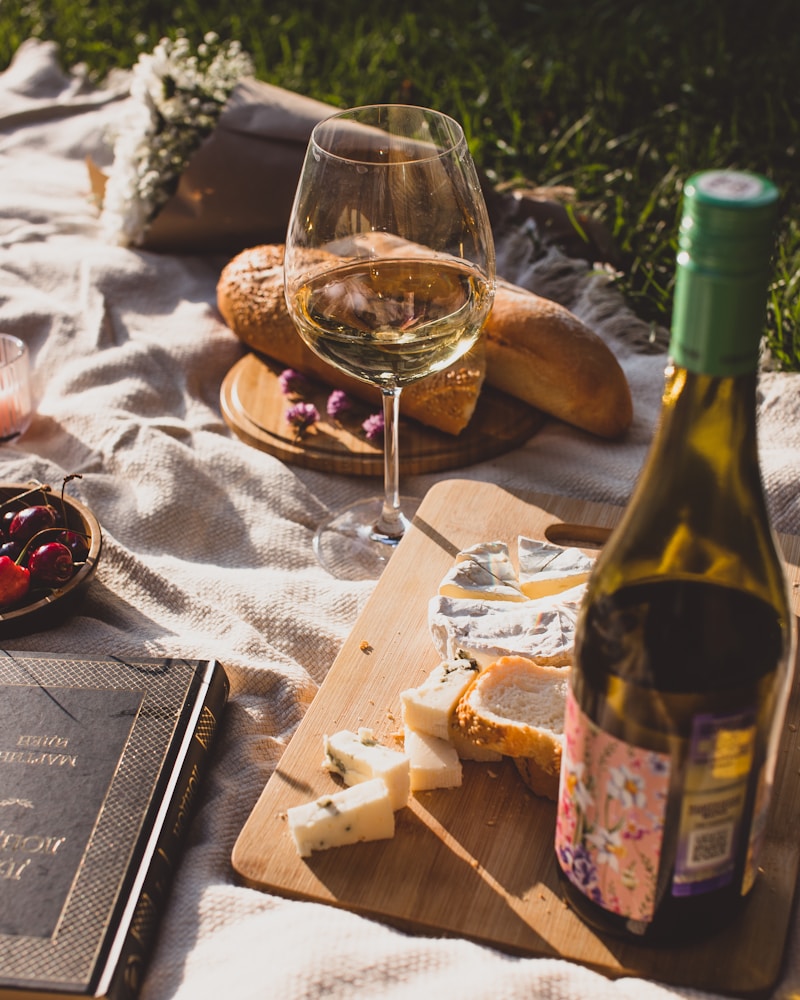
Chardonnay is a true all‑rounder at the table – from the salty sea breeze on your plate to the buttery classics of great cuisine. Here are a few ideas:
| Dish | Wine Style | Why It Works |
|---------------------------------|------------------------------------|----------------------------------------------------------------------------------------|
| Grilled salmon with lemon butter | Medium‑bodied, lightly oaked Chardonnay (e.g. from California or Burgund) | The wine’s richness mirrors the butter, while its acidity and citrus notes brighten the fish. |
| Poularde in cream sauce with mushrooms | Full‑bodied barrique‑aged Chardonnay | Creaminess meets creaminess: oak tones and hazelnut aromas echo the mushrooms and the sauce beautifully. |
| Oysters & mixed seafood platter | Taut, stainless‑steel‑matured Chardonnay (e.g. Chablis) | High acidity and minerality cut through salinity and iodine, adding freshness and precision. |
---
4. FAQ – 10 Questions for Chardonnay Lovers
❓ 1. Is Chardonnay always “buttery” and heavy?
No. Chardonnay becomes “buttery” mainly through oak maturation and malolactic fermentation. A Chardonnay aged in stainless steel from a cool region can be very fresh, citrus‑driven and slender – with no opulence at all. Chardonnay is one of the most versatile grape varieties in existence.
---
❓ 2. What does “malolactic fermentation” mean in Chardonnay?
In this process, sharper malic acid is converted into softer lactic acid. That makes the wine creamier and rounder and often adds aromas reminiscent of butter or cream. Many full‑bodied Chardonnays – especially from California or Burgund – use this process deliberately to gain more texture and richness.
---
❓ 3. How can I tell from the label if there’s a lot of oak involved?
Direct indications such as “barrique‑aged”, “aged in oak barrels” or terms like “Reserve”, “Gran Reserva” (depending on the region) can be clues. With traditional producers in Burgund or California, oak is often part of the house style. If there are no hints, it’s worth checking the winery’s or merchant’s description.
---
❓ 4. What is the ideal serving temperature for Chardonnay?
- Fresh, steel‑driven Chardonnay: about 8–10 °C
- Oak‑aged, full‑bodied Chardonnay: about 10–12 °C
If the wine is too cold, aromas are muted and the acidity feels harsh; if it is too warm, it can seem heavy. A good starting point is the fridge, followed by 10–15 minutes of “warming up” in the glass.
---
❓ 5. How long can I age a Chardonnay?
That depends on the style:
- Simple, fresh everyday wines: usually 2–3 years.
- More ambitious Chardonnays from Burgund, top sites in California or Australia: 5–10 years, sometimes even longer.
Over time, fruit aromas evolve towards honey, nuts, dried fruit and complex tertiary notes.
---
❓ 6. Does Chardonnay pair well with vegetarian dishes?
Absolutely. Vegetable dishes with cream or butter sauces, mushroom ragouts, pumpkin risotto, pasta with cheese or creamy sauces are wonderful with oak‑influenced Chardonnay. Lighter, steel‑matured versions pair nicely with salads with citrus dressings, grilled vegetables or mild goat’s cheese.
---
❓ 7. What distinguishes Burgund Chardonnay from California Chardonnay?
In general terms:
- Burgund: more minerality, cooler fruit (lemon, green apple), often higher acidity, more subtle oak, overall tighter and more elegant.
- California: riper fruit (peach, melon), often more body, more pronounced vanilla and butter notes, softer‑tasting acidity.
Of course, many modern winemakers deliberately play with – and break – these clichés.
---
❓ 8. Is Chardonnay the same as Chablis?
Chablis is not a grape variety but a region in northern Burgund where Chardonnay is grown. A Chablis is therefore almost always a Chardonnay – but not every Chardonnay is a Chablis. Typical for Chablis: cool, mineral, steely style with citrus and chalk notes.
---
❓ 9. Is Chardonnay suitable for sparkling wine outside of Champagne?
Yes, very much so. Chardonnay is one of the key grapes for high‑quality sparkling wines worldwide. Whether creamy Crémant, German Sekt or English sparkling wine – Chardonnay brings freshness, structure and finesse to the bubbles. Especially “Blanc de Blancs” (sparkling wine made solely from white grapes) showcases its elegant side.
---
❓ 10. How do I find my personal favourite style of Chardonnay?
Taste consciously across styles:
- A Chablis or cool, stainless‑steel Chardonnay for its tight, mineral side.
- A Burgund Côte de Beaune or high‑quality California Chardonnay for oak, depth and richness.
- A Blanc de Blancs Champagne to experience its sparkling elegance.
Make a note of what you enjoy: more freshness or more creaminess, more citrus or more peach, more oak or hardly any. Your palate is your compass – and Chardonnay offers you the entire sky to navigate by it.
---
Next time you hold a glass of Chardonnay in your hand, take a moment: watch the wine shimmer, breathe in deeply, let the aromas wash over you. You might just feel it – that sensation of drinking a liquid sunrise.