Sun Dancer Trollinger: The Radiant Soul of Württemberg in Your Glass
Trollinger – leicht, rubinrot, tief verwurzelt in Württemberg. Ein leiser, sommerlicher Rotwein, der Alltag in Glücksmomente verwandelt.
Sun Dancer Trollinger: The Radiant Soul of Württemberg in Your Glass
Dear wine lovers,
dear seekers of quiet happiness in a glass,
sometimes you encounter a wine that doesn’t want to be loud, doesn’t need to impress, but simply takes you by the hand and wanders with you across a sun‑warmed meadow. That’s Trollinger. It doesn’t need a red carpet or a big stage – it is the smile in everyday life, the scent of summer in a land that loves its vineyards the way others love their seas.
Trollinger is Württemberg’s brightly ruby‑red sunshine, as light‑footed as a village fair in spring and yet with the gravity of old vines at its core. In the glass it appears bright and transparent, almost shy – as if it didn’t want to hide anything of its carefree soul. On the nose, cherry, strawberry and redcurrant dance, interwoven with hay‑like herbs, a hint of violet and light spices. On the palate it remains slender, juicy and lively, carried by a cool, clear medium acidity that blows through a warm summer’s day like a fresh breeze.
Trollinger is no muscleman, no barrique giant. It is a light red wine, an everyday friend that pairs just as well with a simple Vesper as with a quiet evening on the balcony. And yet – if you listen closely, if you take your time, you’ll discover depth in this lightness: the stories of the grower families, the terraced steep slopes, the years with too much rain and the summers when the sun never wanted to leave. Trollinger is home in a glass – and at the same time an invitation to cast aside all your prejudices about “light red wines”.
---
1. The Globetrotter in the Glass: Where Trollinger Feels at Home
Trollinger likes it sunny, but not showy. Its true home is Württemberg – a region where wine is not only cultural heritage, but the rhythm of life. Even if you find it here and there elsewhere, its soul is immovably tied to the hills around Neckar, Rems and the Unterland.
Württemberg – The Heartland of Trollinger
Württemberg is not only the main growing region, it is the emotional center of this grape variety. Here, Trollinger is no fashion wine, but part of everyday life: a “Viertele” in the Besen tavern, a simple meal in the shade of the vineyards, conversations that never end.
Typical Württemberger Trollinger shows:
- Color: Bright ruby red, light and transparent
- Aromas: Juicy cherry, strawberry, redcurrant, often accompanied by hay‑like herbs and a hint of violet
- Style: Light, fruit‑driven, with medium acidity and barely perceptible tannins
It feels like a freshly opened window on a mild spring day: airy, clear, uncomplicated – and precisely because of that, so moving.
Remstal – Playful Freshness and Herbal Fragrance
The Remstal, east of Stuttgart, lends Trollinger a particularly playful, fresh personality. The vineyards cuddle up to gentle slopes, crossed by small villages where winemaking is still a family affair.
Remstal Trollinger is often:
- Aromatic: Red berries, light cherry, fine herbs, sometimes a hint of damp earth after summer rain
- Structurally: Very slender, with fresh, invigorating acidity
- Feeling: A wine like a walk after the rain – clear, uncluttered, alive
Here you find Trollinger that virtually invites you to pour a second glass while cold roast meats, lentils, Spätzle or simply a good hunk of farmhouse bread sit on the table.
Neckartal – River Coolness and Elegant Lightness
Along the Neckar, Trollinger finds a special stage. The river valleys bring cooler air, temperature differences between day and night, and therefore an aromatic precision that marries its lightness with fine elegance.
Neckartal Trollinger often shows:
- Aromas: Redcurrant, light cherry, sometimes red plum and violet
- Structure: Light, clear, with fine, linear acidity
- Character: Somewhat more reserved, but very drinkable, almost “puristic”
This is the Trollinger for people who love transparency in wine – no make‑up, just pure fruit and the handwriting of the terroir.
Württembergische Unterländer Weinlandschaft – Tradition and Warmth
In the Württembergisches Unterland, with well‑known places such as Heilbronn and its surroundings, the pulse of cooperative‑based viticulture beats strongly. Here Trollinger is often the daily companion – not ceremonially celebrated, but lived.
Typical are:
- Aromas: Ripe cherry, red plum, strawberry, plus hay‑like herbs and light spices
- Style: Very approachable, soft, with moderate acidity and high drinkability
- Experience: The classic “Viertele” in a Trollinger glass – straightforward, honest, sociable
Here it becomes clear why Trollinger is so popular: it doesn’t make demands, it accompanies. And in exactly that lies its quiet greatness.
---
2. From Steel to Cask: How Maturation Shapes Trollinger
By nature, Trollinger is a child of lightness. Yet as with any sensitive character, it makes a big difference which environment it is allowed to develop in. Stainless steel tank or wooden cask – for Trollinger this is not a question of faith, but a stylistic choice.
Maturation in Stainless Steel – The Pure, Unvarnished Fruit
In stainless steel, Trollinger remains just as it is: honest, direct, unadorned. Neutral steel preserves its bright red‑berry aromatics and underscores its juiciness and freshness.
Sensory profile in stainless steel maturation:
- Nose: Cherry, strawberry, redcurrant, delicate hay‑like herbs
- Palate: Very light, crisp medium acidity, almost no tannin
- Impression: Cool, lively, crystal clear – like a bowl of fresh berries from the fridge
These wines are often meant to be drunk young, destined for immediate enjoyment and tasting almost like the liquid essence of a summer’s day. Ideal if you like to enjoy Trollinger slightly chilled (12–14 °C).
Maturation in Wooden Cask – The Gently Refined Soul
In traditional wooden casks – often large, used foudres – Trollinger can develop surprising depth without losing its lightness. It’s rarely about new barrique tones here, but about structure, harmony and a certain maturity.
Sensory profile in wooden cask maturation:
- Nose: Cherry and red plum, plus light spices, subtle violet notes, dried herbs
- Palate: Slightly fuller, rounder, the acidity feels more integrated, the texture finer
- Impression: More melt, a hint of seriousness without smothering its cheerfulness
These versions are excellent with slightly heartier dishes, braised poultry or robust regional specialties. Cask‑matured Trollinger can also age for one or two years and gain in depth without ever becoming heavy.
Between Worlds – The Modern Middle Way
Some winemakers today choose a middle path:
Part of the wine remains in stainless steel, a small share goes into used wood and is later blended back in. The result is Trollinger that retains its fresh, red‑fruited style yet offers a touch more complexity and gentle richness.
This shows that Trollinger is anything but one‑dimensional. It is adaptable – as long as its delicate nature is respected and it isn’t overloaded with wood or extraction.
---
3. Pairing Recommendations: The Perfect Partner
Trollinger is a true culinary team player. Light, fruity, with medium acidity and almost no tannin, it pairs with many dishes where more powerful reds tend to stumble. It loves honest, down‑to‑earth cooking – and at the same time surprises with modern, lighter fare.
| Dish | Wine Style | Why It Works |
|-------------------------------------|-------------------------------|-------------------------------------------------------------------------------|
| Schwäbischer Zwiebelrostbraten (or hearty roast) with Spätzle | Cask‑matured Trollinger, slightly fuller‑bodied | The juicy fruit softens roasted flavors and onions, while the moderate acidity refreshes the palate without overpowering the meat. |
| Vesper platter with farmhouse bread, ham, Lyoner & cheese | Classic stainless‑steel Trollinger | Its light, fresh character accompanies salty, fatty elements; the red fruit boosts drinkability and brings the Vesper to life. |
| Grilled vegetables & herb‑roasted chicken from the tray | Fresh, slightly chilled stainless‑steel Trollinger | Its bright fruit and herbal notes mirror the vegetables, the acidity cuts through the chicken fat and keeps everything summery and light. |
---
4. FAQ – 10 Questions for Trollinger Lovers
❓ 1. Is Trollinger more of an entry‑level wine or something for connoisseurs?
Both. Its lightness and accessibility make it ideal for beginners looking for red wine without heavy tannins. Connoisseurs, on the other hand, appreciate its authenticity, regional roots and the subtle differences between sites, maturation styles and vintages. Anyone willing to taste more attentively will discover quiet nuances instead of loud effects.
---
❓ 2. What does Trollinger typically taste like?
Trollinger is bright, fruity and juicy. You can expect aromas of cherry, strawberry, redcurrant and often red plum as well. Hay‑like herbs, subtle violet notes and light spices frequently join in. On the palate it is light, with medium, refreshing acidity, very little tannin and great drinkability. It rarely feels heavy, more like an elegant red greeting from spring.
---
❓ 3. How should I best serve Trollinger – temperature and glass?
Trollinger likes it a little cooler than many other red wines:
- Temperature: 12–14 °C (pleasantly chilled in summer)
- Glass: A medium‑sized, tulip‑shaped red wine glass or a universal white wine glass
The cooler temperature highlights its freshness and fruit, and its bright color and lightness show to their best advantage.
---
❓ 4. Does Trollinger work in summer as well?
Absolutely. Trollinger is one of the few red wines that slips into summer quite naturally. Slightly chilled, it is a wonderful companion to grilled vegetables, poultry, salads with berries or a summery Vesper. It doesn’t weigh you down, but refreshes – almost like a red summer wine, without ever becoming trivial.
---
❓ 5. How long can you age Trollinger?
Most Trollinger is made for early drinking and shows its best side within 1–3 years after harvest.
Cask‑matured selections or particularly carefully vinified bottlings can, however:
- easily handle 3–5 years
- lose a bit of freshness while gaining in spice, herbal complexity and harmony
Trollinger is not a classic long‑distance runner, but more of a middle‑distance athlete – one who brings plenty of joy along the way.
---
❓ 6. Is Trollinger always dry?
Many Trollinger wines are dry, especially the more ambitious quality versions. In strongly cooperative‑driven regions, however, you will also find:
- off‑dry or medium‑dry styles with a touch of residual sweetness
These highlight the fruity side and make the wine especially accessible for people at the beginning of their wine journey. It’s worth taking a look at the label (“trocken”, “halbtrocken”, “lieblich”).
---
❓ 7. How does Trollinger differ from Spätburgunder (Pinot Noir)?
Both are on the more delicate side of red wines, yet quite different in detail:
- Trollinger:
- even paler in color
- very light, often even more fruit‑driven
- less tannin, frequently more “down‑to‑earth” in character
- Spätburgunder:
- more complex in structure and potential
- usually more tannin, more spice, greater aging potential
Trollinger is the more spontaneous, easy‑going friend, while Spätburgunder is the thoughtful, complex conversationalist.
---
❓ 8. Does Trollinger pair well with vegetarian or vegan cuisine?
Yes, and how. Its lightness and herbal notes make it an ideal partner for:
- Grilled or roasted vegetables (peppers, courgette, aubergine)
- Tomato‑based dishes, Mediterranean herb cuisine
- Vegan bakes, lentil, bean and grain dishes
Its acidity invigorates without dominating, and its red fruit harmonizes beautifully with many natural vegetable sweetness and herbal aromas.
---
❓ 9. Why is Trollinger so closely linked to Württemberg?
In Württemberg, Trollinger is more than a grape variety – it is a piece of identity. For centuries it was the everyday wine of the region, deeply interwoven with Besen taverns, Vesper culture and local club life. Many families associate memories of festivals, harvests and shared evenings with a simple “Viertele Trollinger”. You can taste this emotional rootedness – in its unpretentious, warm‑hearted nature.
---
❓ 10. For whom is Trollinger exactly the right wine?
For you, if you:
- are looking for red wine without heaviness and hefty tannins
- love sociable gatherings where glasses are often refilled
- crave authentic regional culture in your glass
- enjoy eating – from simple Vesper to roast – and want a flexible food partner
Trollinger is the wine for those who don’t need a spectacle in their glass, but cherish time shared honestly. It’s not a star that dazzles – it’s the friend who stays.
---
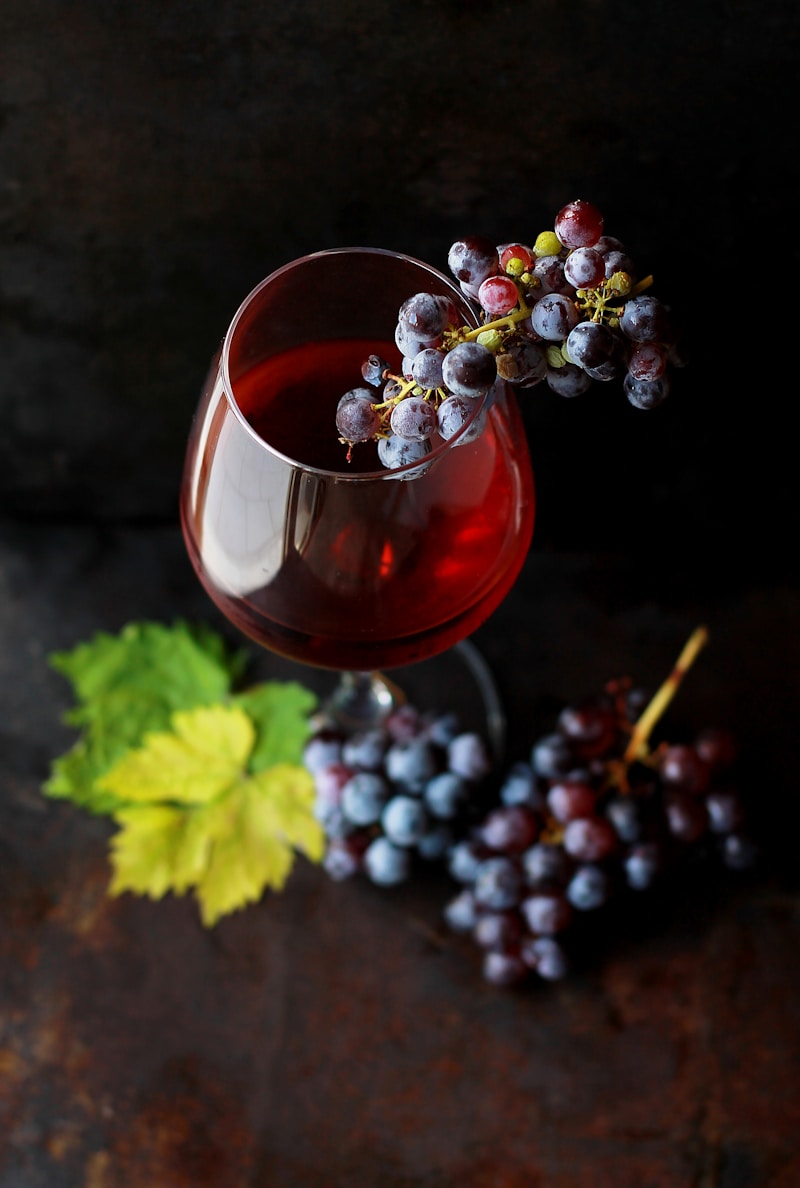
Next time you hold a bright, ruby‑red shimmering glass of Trollinger in your hand, take a moment. Look through it as if you were gazing at a warm hillside with old vines. Breathe in deeply, feel cherry, strawberry, hay and a hint of herbs. And then take a sip – light, clear, alive.
You may then realize: sometimes the happiness in wine is not found in greatness, but in lightness.