Velvety Crimson Soul Dornfelder: When a German Sunset Awakens in Your Glass
Dornfelder – dark, velvety and soulful. Ein deutscher Rotwein, der mit Wärme, Frucht und Tiefe verführt und dabei überraschend vielseitig bleibt.
Velvety Crimson Soul Dornfelder: When a German Sunset Awakens in Your Glass
Dear wine lovers,
some grape varieties whisper – and some sing. Dornfelder sings. Not loudly, not intrusively, but warmly and darkly, like a chanson in a candlelit bar. In its deep ruby shimmer lies something comforting, almost familiar – as if you had always known it, long before the first glass was ever poured.
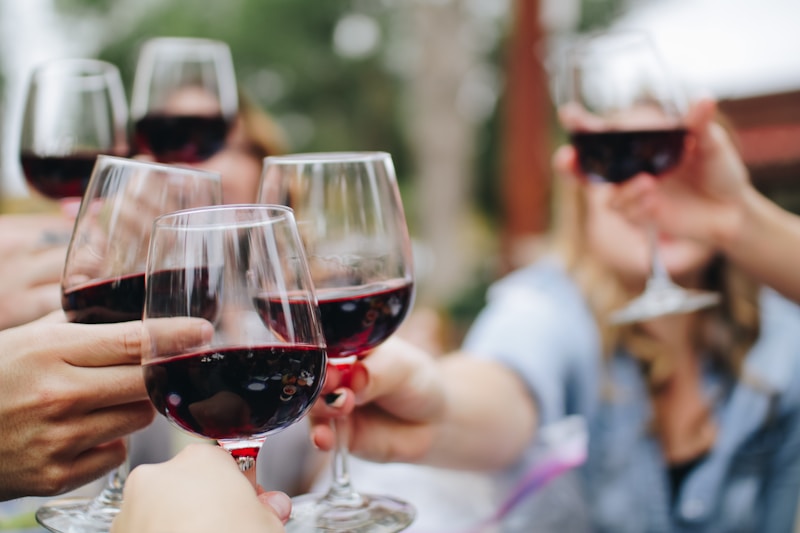
Dornfelder is the dark shimmering silk of the German wine world, a fabric that wraps itself softly around palate and soul. It smells of ripe cherries, blackberries, blackcurrants and plums, with a hint of violets and elderberry, as if the summer forest were taking one last deep breath in and out. And as you raise the glass to your lips, anticipation and a gentle, pleasant shiver spread – that moment when everyday life and time themselves pause for an instant.
What makes it so special? Dornfelder is a child of the modern era and yet already a classic voice. It proves that German red wines do not have to be shy, thin or pale, but can step forward self-confidently, with intense colour and character. With medium body, medium acidity and gentle tannins, it caresses rather than demands. And that is precisely where its magic lies: it is approachable yet deep, uncomplicated and yet full of personality – a wine that accompanies you instead of overwhelming you.
---
1. The Globetrotter in the Glass: Where Dornfelder Feels at Home
Dornfelder is in fact a true local patriot: it originates from Germany and feels most at home here. Yet within Germany it shows many faces – depending on the region it changes its nuances like an actor changes roles.
Pfalz – Sun Fire and Forest Fragrance
In the Pfalz, that gently undulating ribbon of vineyards, forests and almond blossom, Dornfelder becomes a fleshy, fruity temptation. The mild, almost Mediterranean climate gifts it with ripe fruit aromas: juicy cherry, dark berries, plum, often accented by a fine hint of red berry fruit.
Dornfelder from Pfalz is often accessible, juicy and charming – wines that you like to serve a little cooler and that delight even when young. They are like a late-summer evening on the terrace: uncomplicated, joyful, a little exuberant. Here you’ll find everything from fruit-driven everyday wines to serious characters matured in wood – yet even the more powerful versions usually retain their smooth, soft nature.
Rheinhessen – Gentle Hills, Deep Fruit
Rheinhessen, the land of a thousand hills, lets Dornfelder shine softly and darkly. The soils are diverse – loess, clay, limestone – and this diversity is reflected in the glass. Dornfelder from Rheinhessen tends toward dense, concentrated fruit: blackberry, blackcurrant, dark cherry, often with a touch of elderberry.
They often appear somewhat rounder, more harmonious, sometimes more serious than their cousins from Pfalz. Acidity is usually moderate, body medium, tannins supple. If Pfalz is a cheeky smile, then Rheinhessen is the soft, lingering eye contact – deep, confidential, almost a little intimate.
Rheingau – A Red Exception in the Realm of Riesling
The Rheingau is world-famous for Riesling – but those who look closely will also discover impressive Dornfelder. In this rather cool region shaped by the Rhine, they often appear a bit more focused and structured. Acidity can be livelier, the fruit not quite as opulent, but more precise: cherry, red and dark berries, sometimes with a delicate, floral violet note.
Dornfelder from the Rheingau is like an elegant evening gown rather than a cosy sweater: cut a little finer, with clean lines. They can age brilliantly, especially when matured in wood, gaining depth and spicy nuances over time.
Nahe – Between Rock and River
The Nahe, often underestimated, is a treasure chamber for versatile wines – including Dornfelder. Different types of rock meet here: slate, volcanic stone, sandstone. Accordingly, the wines are multifaceted. Dornfelder from the Nahe can show a beautiful balance of freshness and fruit: cherry, red berries, a hint of plum and elderberry, all framed by a lively, appetising acidity structure.
They often appear somewhat more playful, lighter on their feet, but never trivial. More like a walking trail along the river that keeps opening up new views – sometimes fruitier, sometimes spicier, sometimes more floral.
Württemberg – Red Wine Specialist with Heart
Württemberg is traditionally red wine country – and Dornfelder has long since established itself here. Alongside Trollinger and Lemberger it shines as a modern, deeply coloured red wine that happily matures in wood. The Württemberg versions often show dark, concentrated berry fruit: blackberry, blackcurrant, plum, sometimes underpinned by violet and elderberry notes.
In Württemberg, Dornfelder is often made with a bit more structure and power: the body can feel denser, the tannins more noticeable without being harsh. These are wines for hearty cuisine, for cosy evenings, for the red wine carafe on the table – friendly, but with backbone.
---
2. From Steel Dance to Wooden Embrace: How Maturation Shapes Dornfelder
Dornfelder is a chameleon in the cellar. Winemakers can really play with it: should it become a fruity, almost juice-like drinking wine – or a deep, mature character actor? Two paths are decisive here: maturation in stainless steel tanks and in wooden barrels.
Stainless Steel – Pure, Unadorned Fruit
In stainless steel, Dornfelder remains young, direct and unvarnished. Steel is neutral: it gives no flavour, no aroma, no additional texture. Everything you find in the glass is pure grape variety and origin speaking.
A Dornfelder from stainless steel usually smells intensely of fresh cherry, blackberry, red berries and sometimes a hint of elderberry. The fruit is bell-clear, almost like freshly picked berries in a bowl. On the palate it feels smooth, with medium body, moderate acidity and soft tannins – like a pleasantly warm yet airy scarf that doesn’t constrict you.
Such wines are ideal to drink young. They are uncomplicated companions for the end of the day, for pasta, pizza or a barbecue. Just pour, breathe, enjoy – no brooding, no decanting, just pure drinking pleasure.
Wooden Barrel – Depth, Warmth and Gentle Allusions
In wooden barrels, Dornfelder unfolds a completely different facet. Here it’s not only the grape variety that matters, but also the barrel itself: size, age, toast level – all of this shapes the wine. In barriques or smaller wooden casks, new friends join the dark fruit aromas: vanilla, dark chocolate, coffee, tobacco, a touch of smoke or sweet spices like clove and cinnamon.
The wood lets the wine breathe. Through the gentle influence of oxygen, the tannins soften; the wine feels smoother, more structured, more complex. The fruit remains – cherry, blackberry, plum – but it steps back a little behind a fine network of spice, woody notes and sometimes even a delicate, earthy depth.
A Dornfelder from wooden barrels is no quick shot, but a conversation partner for long evenings. It appreciates some air – a large glass, perhaps even half an hour in a decanter. It suits more intense dishes, dark meat, hearty sauces. And it shows impressively that Dornfelder can do more than many think: it can age, evolve, tell stories.
In-Between Worlds – The Fine-Tuned Mix
Many winemakers today choose the middle way: part of the wine matures in stainless steel, part in wood. The result can be fascinating: the clarity and juiciness of steel meets the depth and structure of wood. This way, Dornfelder arises with fresh fruit and a touch of complexity – ideal for anyone who values accessibility but doesn’t want to sacrifice depth.
---
3. Pairing Recommendations: The Perfect Partner
Dornfelder is a grateful food companion. Its medium body, moderate acidity and soft tannins make it an all-rounder – and its dark fruit loves hearty, flavourful cuisine.
| Gericht | Wein-Stil | Warum es funktioniert |
|---------------------------------|--------------------------------------|----------------------------------------------------------------------------------------|
| Geschmorte Rinderbäckchen mit Wurzelgemüse | Im Holzfass gereifter Dornfelder | Die tiefen, dunklen Fruchtnoten und sanften Tannine schmiegen sich an das Collagen und die Röstaromen, das Holz ergänzt die Schmorwürze. |
| Flammkuchen mit Speck & roten Zwiebeln | Fruchtbetonter Dornfelder aus dem Stahltank | Die saftige Kirsche- und Beerenfrucht balanciert Salz und Fett, die moderate Säure erfrischt den Gaumen. |
| Pasta mit Pilzragout & Kräutern | Teilweise im Holz ausgebauter Dornfelder | Erdige Pilzaromen treffen auf dunkle Beerenfrucht und feine Würze; der mittlere Körper trägt das Gericht ohne zu erschlagen. |
---
4. FAQ – 10 Questions for Dornfelder Lovers
❓ Is Dornfelder more sweet or dry?
Dornfelder can be both – dry, off-dry or sweet – but many quality-focused wines are dry or off-dry. Its generous fruit can sometimes fake a hint of sweetness. The best guide is the label: “trocken”, “halbtrocken” or “lieblich” will give you clear orientation.
---
❓ Who is Dornfelder especially suitable for?
For everyone who loves approachable, fruit-driven reds without extreme tannins or shrill acidity. It’s ideal for newcomers to the red wine world, but also for seasoned wine lovers seeking smooth, dark reds you can sip by the glass without having to work hard on them.
---
❓ What is the ideal serving temperature for Dornfelder?
Serve it slightly chilled, at about 14–16 °C. Fruit-driven stainless-steel wines can be closer to 14 °C, while wood-matured, more powerful Dornfelder shows its complexity best around 16 °C. If the wine is too warm, it often feels heavier and the fruit loses precision.
---
❓ Can Dornfelder age, or should it be drunk young?
Many Dornfelder are designed to be enjoyed young – within 2–4 years – when they captivate with juicy fruit. High-quality, wood-matured wines, however, can easily age for 5–8 years (and sometimes longer). Over time they develop more spice, notes of leather, tobacco and chocolate.
---
❓ Does Dornfelder pair well with vegetarian dishes?
Yes, beautifully. Mushroom dishes, lentil stews, oven-roasted vegetables with herbs, flavourful pasta or risotto with roasted vegetables all make great partners. Its dark berry fruit and soft tannins underline earthy and roasted aromas without overpowering them.
---
❓ Is Dornfelder a typical fireside wine?
Absolutely. Especially the more powerful, wood-matured versions are perfect fireside wines: dark colour, soft tannins, warm fruit, gentle spice. A glass of Dornfelder, a crackling fire, perhaps a good book – sometimes that’s all you need.
---
❓ Which glasses are best for Dornfelder?
A classic red wine glass with a slightly bulbous shape is ideal. For fruit-driven wines, a medium-sized glass is enough to gather the aromas without giving too much air. For more complex, barrel-matured wines, a larger Burgundy- or Bordeaux-style glass is perfect to let the wine breathe.
---
❓ How can I recognise a good-quality Dornfelder?
Look for: origin (renowned regions or single vineyards), designation (Spätlese, trocken, quality levels like “VDP.Gutswein” etc.), producer (estates with a strong reputation) and maturation (barrel ageing can hint at greater ambition). In the glass it shouldn’t seem clumsily sweet, but show a good balance of fruit, structure and freshness.
---
❓ Is Dornfelder also suitable for summer – or just a winter wine?
Dornfelder is a wine for all seasons. In winter it warms with its dark fruit and soft mouthfeel. In summer, lightly chilled at 12–14 °C, it’s a wonderful partner for barbecues, pizza, pasta or antipasti. The fruit-driven styles in particular give enormous pleasure in warm weather.
---
❓ What distinguishes Dornfelder from international reds like Merlot or Shiraz?
Dornfelder shares Merlot’s soft tannins and dark fruit, but is often somewhat fresher and less alcohol-driven. Compared with many Shiraz wines, it tends to be less peppery and less opulent, instead more elegant and juicy. Its strength lies in balance: German coolness meets modern, deep-ruby expressiveness – a character that remains true to itself instead of trying to be a copy.
---
Next time you pour yourself a glass of Dornfelder, take a moment before you drink: admire its deep ruby colour, breathe in cherry, blackberry, blackcurrant and a hint of violet – and listen to the quiet song it sings for you. It is the song of German hills, autumn evenings and those still moments when a sip of wine turns into a small piece of comfort.