The Wayward Sagrantino: The Dark Soul of Umbria in Your Glass
Sagrantino is not just a wine, but a dark, deep encounter mit Umbrien – eigenwillig, tanninreich und voller Seele.
The Wayward Sagrantino: The Dark Soul of Umbria in Your Glass
---
2. Introduction
Dear wine lovers,
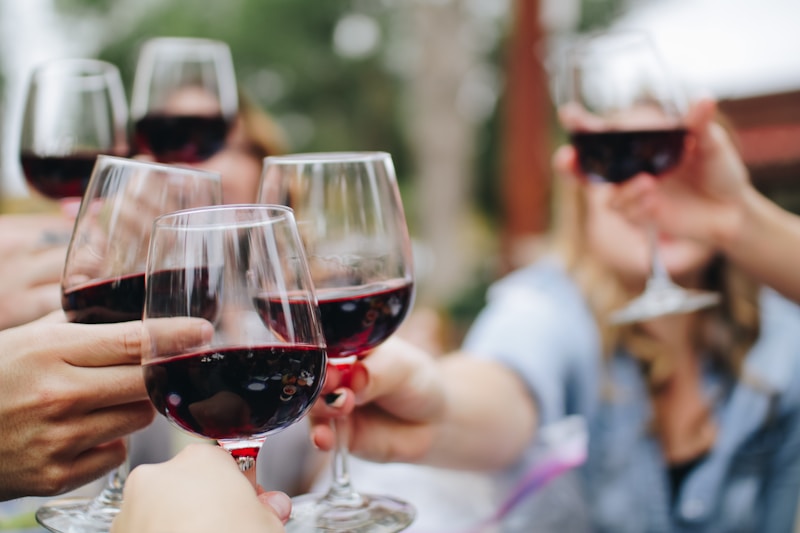
there are grape varieties you drink – and there are grape varieties you encounter. Sagrantino belongs to the second kind. It is not a pleasing side note in the world of wine, but a deep, sonorous chapter. A wine that doesn’t flirt, but challenges. That doesn’t pander, but invites you to truly listen. When you lift the glass to the light for the first time, it seems to swallow it: deep-dark, almost impenetrable, like a midnight Umbrien landscape where only the silhouettes of cypresses and ancient monastery walls are still visible.
Sagrantino is Umbrien in its purest form. On the nose, black cherries, ripe blackberries and plums rise up, as if late summer in the hills around Montefalco were coming to life once more. Violets, wild herbs, liquorice and a hint of pepper dance like fleeting shadows around the fruit. And then there are those tannins – powerful, almost monumental, like the age-old stone walls that have protected the vineyards for centuries. It speaks slowly, but when it opens up, it tells of dried flowers, tobacco, a hint of leather and the quiet gravity of a wine that knows time and patience.
Sagrantino is not a wine for haste. It is a silent promise: those who give themselves to it will not only discover a full-bodied red wine with medium acidity, but an encounter with a character that defies all superficiality. A wine that reminds you to slow down, to breathe more deeply – and to savour every sip like a quiet prayer.
---
1. The Globetrotter in the Glass: Where Sagrantino Calls Home
Even though Sagrantino is far from being a global star like Cabernet Sauvignon, it has an unmistakable homeland that shapes it like a childhood memory: Umbrien, the green heart of Italy. Its true stages are the hills, the ancient villages, the quiet towns where wine is not fashion, but tradition.
Montefalco – The Spiritual Centre
Montefalco is the epicentre of the Sagrantino cult, its cathedral, so to speak. Here, in the gently rolling hills where vineyards and olive groves go hand in hand, the most intense and long-lived interpretations of this grape variety are born.
- Style: Extremely structured, deep-dark, with high tannin presence. Aromas of black cherry, blackberry and plum, often accompanied by dried violets, tobacco, leather and balsamic notes.
- Character: A serious, meditative wine. Almost unapproachable in its youth, an event after a few years of bottle age.
Umbrien (in general) – The Green Heart, the Dark Soul
Beyond Montefalco you’ll find Sagrantino scattered across other parts of Umbrien – always in small quantities, almost like precious fragments of a mosaic.
- Style: Somewhat more approachable than the strictest Montefalco examples, often with slightly softer tannins, yet still powerful. The fruit – black cherry and blackberry – remains dominant, joined by lively herbal spice.
- Character: Rustic in the best sense. A wine that tastes of country air, fireplace embers and long evenings with good friends.
Colli Martani – The Hills of Balance
The Colli Martani, a hilly region in the province of Perugia, lend Sagrantino a palpable finesse. Here, power meets elegance, like a strong dancer who still moves lightly on their feet.
- Style: Full-bodied, but with somewhat more polished tannins; the aromas of plum, violet and pepper often come through more precisely, flanked by notes of wild herbs.
- Character: Concentration and clarity. Ideal for connoisseurs who love structure but don’t want to be flattened by sheer force.
Colli Perugini – The Quiet Stage
In the Colli Perugini, not far from the city of Perugia, Sagrantino finds a quieter yet captivating form of expression. The grape is grown more rarely here, but where it is planted, it tells a different, subtler story.
- Style: Less massive than Montefalco, with more pronounced fruit and slightly milder tannins. Black cherry and liquorice stand out clearly, joined by pepper and delicate herbal spice.
- Character: A Sagrantino that builds bridges – between tradition and modern drinking pleasure, between ambition and accessibility.
As different as these regions may be, they share one thing: Sagrantino remains Sagrantino. A headstrong, dark, expressive grape variety that never denies its origins.
---
2. From Steel to Eternity: How Ageing Shapes Sagrantino
By nature, Sagrantino is a rebel: thick skins, enormous tannin reserves, intense colour. Like a young, tempestuous musician, it needs a mentor to turn raw energy into a symphony. That mentor is ageing – in stainless steel tanks or wooden barrels.
Stainless Steel – Pure, Untamed Fruit
Ageing in stainless steel means: no influence from wood, no added aromas, no vanilla, no toast – just the grape variety in its unadulterated nakedness.
- Aromatics: Dominance of black cherry, blackberry and plum, accompanied by fresh, wild herbs and a clear pepper note. The floral tones of violets can shine particularly brightly here.
- Mouthfeel: Despite its full body, the wine often feels more direct, more angular. The tannin shows itself distinctly, almost youthfully strict, while the medium acidity provides backbone.
- Impression: A Sagrantino aged in stainless steel is like a block of rock freshly hewn from the mountain: raw, authentic, unvarnished. For purists who want to get to know the variety in its original form.
Wooden Barrels – When Character Gains Depth and Maturity
The classic path for great Sagrantino wines remains wood – usually large casks or barriques in which the wine matures over many months, often years.
- Aromatics: Alongside black cherry, blackberry and plum you’ll find dried flowers, tobacco, leather, liquorice and sometimes a fine, sweet spice. The wood can add notes of cedar, smoke or gentle vanilla without masking the original fruit.
- Mouthfeel: The tannins become rounder, more finely grained without losing their power. The structure remains monumental, but grows more harmonious. The medium acidity supports the density and lends the wine length and freshness.
- Impression: Sagrantino from wooden barrels is like an old wall in Umbrien: weathered, yet unshakable. Complex, multi-layered, with a long, resonant finish.
The Harmony of Contrasts
While ageing in stainless steel gives you the immediate, unrestrained expression of the variety, time in wood allows the wine to tame its wild nature and transform into a complex, meditative form. Both paths are justified – they are like two perspectives on the same landscape: once in the blazing midday sun, once in the dimming light of dusk.
---
3. Pairing Recommendations: The Perfect Partner
Sagrantino is not a shy table companion. It needs dishes that meet it eye to eye: bold flavours, texture, fat, depth. Its dense fruit, wild spice and formidable tannins call for real substance on the plate.
| Dish | Wine Style | Why it works |
|-----------------------------------|----------------------------|----------------------------------------------------------------------------------------|
| Braised leg of lamb with rosemary and garlic | Barrique- or cask-aged Sagrantino from Montefalco | The fat and collagen structure of the lamb soften the tannins, while the herbs mirror the wine’s wild notes. |
| Wild boar ragout with polenta | Powerful Sagrantino from Colli Martani | The intense game aromas meet dark fruit and spice, while the polenta gently cushions the wine’s power on the palate. |
| Aged Pecorino di Fossa | Mature Sagrantino from Umbrien (wood-aged, several years in bottle) | Salt, umami and maturity in the cheese harmonise with notes of tobacco, herbs and liquorice; the tannins become silkily integrated. |
Sagrantino loves richness, depth and earthiness. It is the wine that calls for braised dishes, long cooking times, winter cuisine – or for a quiet evening with a piece of aged cheese and a blanket of silence.
---
4. FAQ – 10 Questions for Sagrantino Lovers
❓ 1. Is Sagrantino a wine for beginners?
Sagrantino is more a wine for curious explorers than for absolute beginners. Its intense tannin structure and dark, dense aromatics can feel overwhelming if you’re mainly used to light, fruity reds. But if you’re craving character, depth and a hint of resistance in the glass, Sagrantino is the perfect next step.
---
❓ 2. How long should you cellar Sagrantino?
Sagrantino is among the most long-lived Italian red wines. Good examples from Montefalco can easily age for 10–20 years or more. After just 5–7 years of bottle ageing, the tannins begin to integrate and the aromas grow more complex: dried flowers, tobacco, leather and herbs come to the fore. Young, it is impressive; mature, it becomes moving.
---
❓ 3. What is the ideal serving temperature?
Sagrantino shows its best at 16–18 °C. Too warm, and the alcohol quickly comes to the forefront; too cool, and the fruit and spice stay shut while the tannins seem harsher. Let the bottle breathe a little after opening or decant it – a real blessing, especially for young vintages.
---
❓ 4. Do you need to decant Sagrantino?
For young Sagrantino wines, decanting is almost an act of love. 1–2 hours in a decanter help open up the dense aromas of black cherry, blackberry, plum, violets, herbs and liquorice, and tame the tannins a bit. Mature bottles should be decanted gently, mainly to hold back any sediment – but not for too long, so that the fine tertiary aromas don’t fade.
---
❓ 5. What does Sagrantino pair best with?
Sagrantino loves hearty cuisine: braises, game (wild boar, venison), lamb, slow-cooked beef cheeks, mushroom dishes with intense flavours and aged hard cheeses like Pecorino or mature mountain cheeses. Delicate fish dishes or light summer fare are often overwhelmed by its power.
---
❓ 6. How does Sagrantino differ from Sangiovese?
Sangiovese, the great grape of Tuscany, usually brings higher acidity, red fruit (cherry, red berries) and somewhat finer tannins. Sagrantino, by contrast, is darker, more concentrated, with pronounced black fruit, medium acidity and a much more massive tannin framework. Where Sangiovese often seems to dance, Sagrantino stands in the room like a sculpture.
---
❓ 7. Is Sagrantino made in both dry and sweet styles?
Yes. Most famous is the dry Sagrantino di Montefalco, a powerful, structured red wine. Historically, however, Sagrantino was often vinified as Passito (sweet wine from dried grapes), with intense fruit, spice and sweetness supported by its tannins. Both styles reveal different faces of the same variety – from meditative red to contemplative dessert companion.
---
❓ 8. Why does Sagrantino sometimes seem so “stern”?
This comes from its extreme tannin density, among the highest of any noble grape. If drunk young or vinified carelessly, these tannins can appear hard and drying. With enough time in wood and bottle – and with the right food – this sternness transforms into majestic structure.
---
❓ 9. Is Sagrantino always very high in alcohol?
Due to its concentration and the ripeness of the grapes, many Sagrantino wines sit around 14–15% abv. Skilled winemakers, however, manage to integrate the alcohol harmoniously into the structure so it doesn’t dominate. The medium acidity and firm tannins ensure the wine doesn’t come across as clumsy, but powerful and well-balanced when well made.
---
❓ 10. Who is Sagrantino really for?
For you, if you love wines that tell stories. For you, if you’re not afraid of edges and corners. For you, if you’re willing to give a wine time – in the glass, in the bottle, in your heart. Sagrantino is the quiet, deep friend who doesn’t say much, but is always there when things get serious. A wine you don’t simply drink, but experience.
---
The next time you uncork a bottle of Sagrantino, take a moment before pouring. Listen into the silence. Perhaps, deep in the glass, you’ll hear the faint echo of ancient monastic chants drifting over Montefalco – and feel that this wine is more than just a drink: it is a piece of Umbrien speaking to you.