Sun Child Greco: The Radiant Soul of Southern Italy in Your Glass
Greco leuchtet im Glas wie ein goldener Sonnenstrahl: salzig, zitrisch, kräuterduftend – und ein tiefes Fenster in die Seele Süditaliens.
Sun Child Greco: The Radiant Soul of Southern Italy in Your Glass
Dear wine lovers,
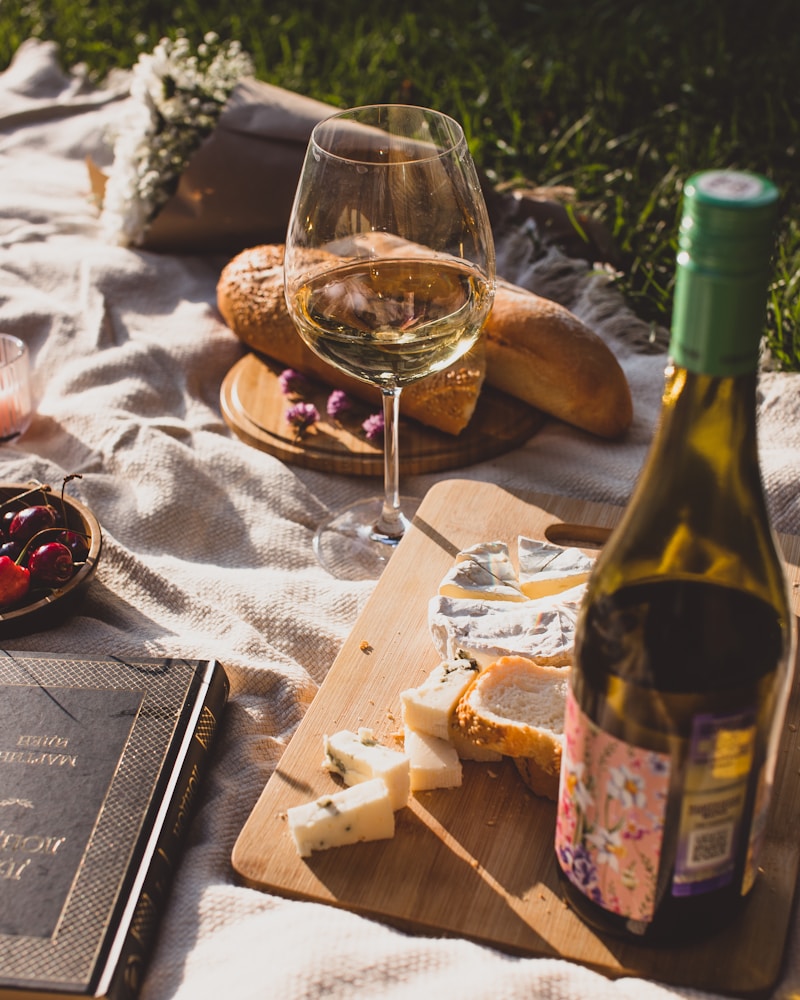
some grape varieties whisper. Others sing. But Greco – Greco shines. It steps into the glass like a golden ray of sunshine stretching across the hills of Campania in the late afternoon light, making you forget everything around you for a moment. In its shimmering straw yellow, often with a delicate hint of amber, lies the memory of endless summer days, of salty sea breezes and the warmth of ancient vineyards that were here long before us.
Greco is one of those grape varieties you don’t simply drink – you encounter it. It is powerful yet delicate, vibrant yet harmonious – a wine that carries within it the image of a lemon grove in the sea breeze. Lemon and lime meet yellow peach and apricot, white flowers pair with a faint, pleasantly bitter almond note, and Mediterranean herbs join in as if someone had sprinkled thyme and sage over the glass. With its high, lively acidity, Greco is like a clear breath of air on a hot summer’s day: refreshing, clarifying, awakening.
What makes it special? Greco unites authenticity and finesse, history and the present. It is a white wine with character, a wine that doesn’t try to please everyone but invites you to truly get to know it. And if you accept that invitation, it opens a window into the soul of Southern Italy – salty, sun-drenched, fragrant and profoundly alive.
---
1. The Globetrotter in the Glass: Where Greco Calls Home
Campania – The Radiant Heart: Greco di Tufo
When speaking about Greco, there is no getting around Campania, and especially not around Greco di Tufo. Here, on volcanic soils rich in tuff and minerals, Greco shows perhaps its noblest side. The vineyards are often at higher altitudes, the wind carries salty air up from the Tyrrhenian Sea, and that is exactly what you taste in the glass.
The style is intense, mineral and structured:
Lemon and lime lead the dance, accompanied by yellow peach and apricot, with fine notes of white flowers, almonds and a hint of herbs. On the palate, Greco di Tufo often feels almost “stony” – that taut, salty minerality that, together with the high acidity, creates tremendous tension. It’s not uncommon for these wines to have ageing potential for several years: the fruit becomes more complex, the almond note more nutty, the texture creamier, without losing freshness.
Calabria – The Mediterranean Muse: Greco di Bianco
Further south, in Calabria, we encounter another, sensual interpretation: Greco di Bianco. Here, on slopes overlooking the Ionian Sea, Greco breathes warm air, sun and salt. In this region, Greco has traditionally often been made in an aromatic, sometimes more opulent style, historically even as a sweet or off-dry wine.
In the profile, it’s the riper fruit notes that shine: yellow peach, ripe apricot, sometimes even candied citrus peel. The white flowers appear more intense, and the almond note often feels creamier, almost like a distant hint of almond liqueur. The high acidity remains, but in the southern warmth it is wrapped in more body and softness. Greco di Bianco can be like a Mediterranean evening in the glass: warm, golden, a touch opulent – a wine that whispers to you to drink slowly.
Basilicata – Quiet Power from the Volcano
In Basilicata, the land of volcanoes and sparse, dramatic landscapes, Greco remains a quieter yet fascinating presence. Among famous red varieties like Aglianico, it asserts itself as a characterful white wine that reflects the poor soils and high altitudes.
Stylistically, these wines are often more restrained in fruit, with a focus on lemon, lime and fresh herbs. In return, the minerality comes to the fore, and the acidity feels taut and cool. Here, Greco shows its most serious, almost austere side – a wine that pairs beautifully with the region’s cuisine, which is just as honest and unadorned.
Puglia – Scorching Sun and the Sea at Hand
In Puglia, the heel of Italy’s boot, we encounter Greco in a particularly sun-drenched guise. The wines often show a somewhat softer, more approachable style: ripe citrus fruits, yellow peach, occasionally a hint of exotic fruit, along with the familiar white flowers and almonds.
The high acidity is present here as well, but the intense Puglian sun embeds it a touch more gently. The result is charming, accessible wines that pair wonderfully with fish, seafood and the aromatic vegetable-based dishes of the south. Greco from Puglia is like a summery invitation to aperitivo with a view of the sea: uncomplicated but far from simple, fresh and welcoming.
---
2. Shaped by Steel and Sun: How Winemaking Moulds Greco
Greco is a grape variety that responds to winemaking choices like few others. It has enough structure, acidity and aromatics to shine with crystal clarity in stainless steel – and at the same time enough inner tension and depth to carry careful oak ageing.
Greco from Stainless Steel – The Clear, Salty Breeze
Greco aged in stainless steel feels like looking through a freshly cleaned window out onto the sea. Here, the purity of the fruit takes centre stage: lemon, lime, yellow peach, crisp apricot. The white flowers appear fresh and airy, the herbs are like leaves rubbed between your fingers – light, green, invigorating.
The high acidity is most evident in this style: the wine is precise, taut and refreshing. The salty minerality comes through clearly, especially in wines from volcanic soils such as Greco di Tufo. These wines are made for warm days, as an aperitif or as versatile food partners with seafood, light pasta dishes and vegetables.
In flavour, this means:
- Focus on freshness and fruit
- Citrusy, almost zippy impression
- Emphasis on salty, mineral notes
- Slim to medium body with lots of drive on the palate
Greco from Oak – The Warm, Golden Embrace
Carefully aged in oak (often large casks or used barriques), Greco gains a different texture and a new dimension. The oak should not dominate here, but provide frame and depth. The fruit remains, but it feels riper: yellow peach and apricot move into the foreground, the almond note becomes more nutty, almost like roasted almonds or gentle marzipan nuances. Sometimes a hint of vanilla or sponge cake appears.
The body feels fuller, creamier, without becoming heavy – at heart, Greco remains a wine with medium body, but the texture turns more supple. The acidity is still present, yet shows itself rounder, better integrated, more like a supporting pillar than a cool gust of wind.
In the glass, this means:
- More complex, warmer aromatics
- Creamier, fuller texture
- Subtle nutty, spicy notes from the oak
- Ideal for richer, more intense dishes, e.g. fish with sauce, poultry, aged cheese
Both styles reveal different faces of the same soul:
Greco from stainless steel is the cool, radiant morning sun; Greco from oak is the warm, golden late-afternoon light.
---
3. Pairing Suggestions: The Perfect Partner
Greco is a dream at the table. Its high acidity, medium body and aromatic complexity make it a true chameleon – especially when sea breeze, lemon and herbs also appear on the plate.
| Dish | Wine Style | Why It Works |
|------------------------------------------|------------------------------|----------------------------------------------------------------------------------------|
| Linguine alle vongole (with lemon zest and parsley) | Fresh Greco from stainless steel (e.g. Greco di Tufo) | The salty brininess of the clams meets maritime minerality, lemon echoes lemon, herbs mirror herbs. The high acidity cuts through the light oiliness of the pasta and lifts the flavours. |
| Pan-fried sea bass with herbs, fennel & olive oil | Lightly oak-aged Greco | The medium body and gentle creaminess harmonise with the juicy fish and olive oil. The herbal notes in the wine reflect rosemary & thyme, while the acidity keeps the dish bright. |
| Lemon risotto with grated Parmesan & toasted almonds | Mature or partly oak-aged Greco | Citrus and acidity in the wine extend the lemon notes, and its almond and nut nuances pick up the toasted almonds. The creamy risotto needs a wine with structure and acidity – this is where Greco truly shines. |
---
4. FAQ – 10 Questions for Greco Lovers
❓ 1. Is Greco more of a light or a full-bodied white wine?
Greco is generally a medium-bodied white wine. It doesn’t feel heavy, but it’s far from thin. Its high acidity gives freshness, while the intensity of the fruit and occasionally a touch of creaminess add substance. You could say: structured and lively, without being overwhelming.
---
❓ 2. Which aromas are typical for Greco?
Typical aromas are lemon and lime, often accompanied by yellow peach and apricot. Add to that white flowers, a subtle almond note and herbs reminiscent of Mediterranean macchia – thyme, sage, sometimes a hint of fennel fronds. In cooler sites or with stainless steel ageing, citrus tends to dominate; in warmer regions and with oak, stone fruit and nutty tones come more to the fore.
---
❓ 3. Does Greco only pair well with fish and seafood?
It is indeed a dream with fish and seafood, but by no means limited to that. Greco pairs beautifully with:
- Vegetable dishes with lemon or herbs
- Light Mediterranean cuisine (antipasti, grilled vegetables, salads)
- White meat (poultry, veal) with light sauces
- Creamy risottos and mild, aged cheeses
Its acidity and structure make it very versatile.
---
❓ 4. How does Greco di Tufo differ from Greco di Bianco?
Greco di Tufo (Campania) is usually more mineral, taut and citrus-driven, shaped by volcanic soils and higher altitudes.
Greco di Bianco (Calabria) often shows riper, softer fruit, more yellow peach and apricot and sometimes a more opulent, warmer character. It feels more Mediterranean, sunnier, with slightly less strict minerality.
---
❓ 5. Should I drink Greco young, or can it age?
Greco can do both. Young, it shows its fresh, citrusy, salty side – perfect for uncomplicated enjoyment and vibrant food pairing. Good quality wines, especially from regions like Greco di Tufo, can, however, have impressive ageing potential of 5–10 years (sometimes more): the fruit becomes more complex, almond and herbal notes gain prominence, and the wine feels creamier and deeper without losing its acidity.
---
❓ 6. What is the ideal serving temperature for Greco?
Serve Greco best at 9–11 °C.
- Too cold (below 8 °C) suppresses aroma and texture; the wine will seem all about acidity.
- Too warm (above 13 °C) can make it feel heavy and alcoholic.
Give it a few minutes in the glass to breathe – Greco loves to unfold slowly.
---
❓ 7. Is Greco comparable to any other well-known grape varieties?
Greco has a personality all its own, but if you’re looking for a reference:
- The acidity can sometimes recall Riesling,
- the texture a not-too-heavy Chenin Blanc,
- the Mediterranean herbal and almond notes can evoke Vermentino or Fiano.
Still, Greco remains unmistakable thanks to its salty, almost volcanic radiance.
---
❓ 8. What should I look for when buying a Greco?
Pay attention to:
- Origin: Greco di Tufo, Greco di Bianco, or generally Campania, Calabria, Basilicata, Puglia
- Vintage: For freshness, choose younger vintages; for more complexity, also consider older bottles
- Winemaking: Do you like it fresh and citrusy? Then go for stainless steel. Prefer it creamier and more complex? Then choose (partly) oak-aged or more mature examples.
You’ll often recognise quality by producers known for careful work – your local wine merchant can help here.
---
❓ 9. Is Greco a good wine for beginners?
Yes – and no.
For beginners who enjoy fresh, aromatic white wines, Greco is a wonderful introduction to the world of Southern Italy: accessible, lively, with clear fruit.
At the same time, it has enough depth and individuality to captivate experienced enthusiasts, especially in its more mineral, structured versions. Greco is a wine you can grow with: the more you taste, the more stories it tells you.
---
❓ 10. How would you describe the character of Greco in one sentence?
Greco is like a golden ray of sunshine across a salty, wind-tousled hill by the sea – bright, vibrant, herb-scented, with a pulsating acidity that won’t let you go and constantly invites you back for the next sip.
---
And now there’s only one thing left to do: open a bottle of Greco, hold the glass up to the light and let it tell its story – of sea, sun, rock and old vines. Every bottle is a small piece of Southern Italian soul, just waiting to be discovered by you.