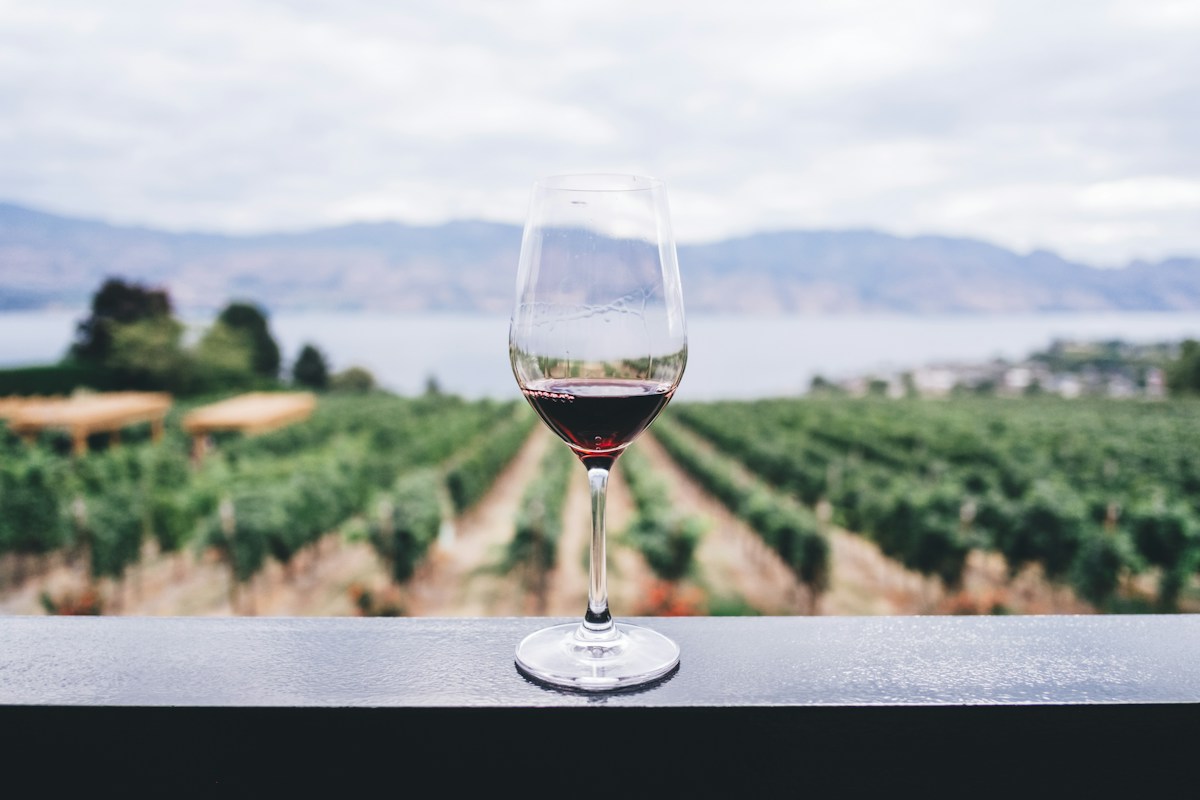
Graves – The Cradle of Bordeaux Wine
Discover Graves.
Graves – Where Bordeaux Tastes of Fire and Stone
Meta description: Discover Graves: the original Bordeaux with mineral-driven white wines, elegant reds, and a unique terroir of gravel and flint.
---
Introduction
There are wines that impress – and there are wines that move you. Graves clearly belongs to the second category. This wine region south of Bordeaux is not a loud star pushing itself into the spotlight. Graves is more like a quiet voice that becomes more compelling the closer you listen – or rather, taste.
Anyone looking to discover the “true” Bordeaux will sooner or later end up in Graves. Here, where the vines root in gravel, sand, and flint, wines are born with an unmistakable signature: mineral, taut, elegant – and yet with a warmth that seems to speak straight from the glass.
Graves is the cradle of Bordeaux viticulture, the birthplace of great white wines and fine reds, a place where tradition and modernity intertwine with gentle finesse. This blog takes you on a journey to a region that never tries to ingratiate itself – and is all the more unforgettable for it.
---
Terroir and Climate – When Gravel Becomes a Storyteller
The name “Graves” comes from the French word graviers – gravel. And this gravel is the soul of the terroir. Everywhere you look, the soils tell stories: of Ice Age rivers that deposited rocks and stones, of layers of sand, limestone, pebbles, and flint.
Soils
The soils of Graves are:
- Gravel and rocky soils, often several meters deep
- shot through with sand and clay
- occasionally with components of limestone and flint (silex)
For the vine, this is a bit of a challenge – and that is precisely what it loves. The gravel provides excellent drainage: water runs off, and the vines have to root deep to find moisture. What is stress for the plant is a gift for the wine: concentration, structure, complexity.
The gravel has another special property: it stores warmth during the day and releases it at night. This extends the ripening period of the grapes, promotes aromatic complexity, and leads to that typical ripeness without sacrificing freshness.
Climate
Graves is under the influence of the Atlantic and the Garonne. That means:
- Mild, maritime influence
- Warm summers, but rarely extreme heat
- Relatively mild winters
- Regular, usually moderate rainfall
The proximity to the Garonne is a key factor: it moderates temperatures and creates a microclimate ideal for viticulture. In certain zones (such as the sweet wine areas further south), it also favours fog and noble rot – an aspect that plays a role in the broader Graves context.
In the end, you can taste all this in the glass: the white wines show tension and minerality, the reds elegance and finesse. Here, terroir is not a marketing term but lived reality.
---
Grape Varieties – The Voices of Graves
Graves is a place name, not a grape variety. And yet this region is closely associated with certain grapes that shape its identity.
White grape varieties
Graves is one of Bordeaux’s great white-wine terroirs. The key varieties are:
- Sauvignon Blanc
Brings freshness, citrus notes, herbal aromas, sometimes gooseberry and white flowers. In Graves, Sauvignon often appears less aggressively green than in cooler regions – more delicate, mineral, with elegant spice.
- Sémillon
The quiet, profound strength in the background. Sémillon adds body, texture, honey and wax notes in maturity, yellow fruit, sometimes dried apricot. In blends with Sauvignon, it is the body, the backbone, the timeless element.
- Muscadelle (in smaller proportions)
Provides fragrant, floral, grapey accents that round out the wine aromatically.
From these varieties, both dry and – in some sites further south, partly outside the strictly defined Graves appellations – botrytised sweet wines are produced. The dry Graves Blanc are usually bone-dry, lively, mineral, and capable of ageing beautifully.
Red grape varieties
In red wines, Graves shows a very distinct style, more refined and often a bit more approachable than the very powerful Médoc:
- Cabernet Sauvignon
Provides structure, tannin, blackcurrant, cedar, graphite. On the warm gravel soils of Graves it finds ideal conditions to ripen perfectly without becoming overconcentrated.
- Merlot
Rounds out the blend: plum, blackberry, soft tannins, richness. In Graves, Merlot adds charm without stealing the freshness.
- Cabernet Franc & Petit Verdot
Usually play supporting roles, bringing spice, floral notes, extra structure and complexity to the blends.
The reds from Graves are often marked by impressive balance: red and black fruits, fine oak spice, tobacco, smoky and graphite notes, underpinned by an elegant, never clumsy structure. You get the feeling the gravel itself had a say.
---
History – The Cradle of Bordeaux Wine
Graves is not just any Bordeaux region – it is the historic root of all of it.
As early as Roman times, people recognised the potential of the gravelly soils along the Garonne and planted the first vines here. In the Middle Ages, wines from the area around Bordeaux – especially from Graves – were shipped via the river port in all directions. Long before the Médoc became famous, it was the wines of Graves that gained recognition beyond France’s borders.
In the 17th and 18th centuries, the terroir began to be understood more precisely, and vines were deliberately planted on the best gravel outcrops. Nobles, merchants, and wealthy families invested in estates; châteaux were founded, some of which remain among the great names of the region today.
A few key historical milestones:
- 1855 Classification – While most of the classified growths come from the Médoc, one famous Graves estate was uniquely classified for both red and white wine: Château Haut-Brion. A symbol of the fact that Graves was already regarded as a major source of complex wines at the time.
- Pessac-Léognan Appellation – In 1987, the high-quality northern part of Graves was separated as its own appellation. Pessac-Léognan is now home to many of the region’s most renowned châteaux, while “Graves” as an appellation covers the larger area to the south. Yet it all remains part of the identity-building story of the Graves terroir.
Despite its historical importance, Graves has never turned itself into a noisy flagship. It is more like a quietly shining source in the background – which is precisely what makes it so appealing.
---
Enjoyment & Food Pairing – When Wine Becomes an Encounter
Wine from Graves is not just a “tasting wine.” It wants company – a dinner, conversations, moments that stay with you.
Dry white wines from Graves
Style: Fresh, mineral, often oak-aged, with a combination of citrus, white flowers, stone fruit, and fine spice. Good examples develop notes of beeswax, nuts, and honey with a few years in bottle.
Perfect food pairings:
- Seafood: oysters, scallops, prawns – the salinity of the sea meets the minerality in the glass.
- Fish dishes: pan-fried turbot, cod with lemon butter, grilled sea bass.
- Poultry: roast lemon chicken, herb-roasted guinea fowl.
- Goat’s and sheep’s cheese: especially matured, slightly nutty varieties pair beautifully.
- Vegetable dishes: asparagus, fennel, artichokes – tricky partners that work surprisingly well with Graves Blanc, especially when butter or a sauce is involved.
Red wines from Graves
Style: Usually more elegant than massive, with a tension between fruit, spice, and subtle oak. Red and black berries, tobacco, graphite, sometimes a hint of smoke or toasted bread. With age, notes of leather, truffle, and cigar box emerge.
Perfect food pairings:
- Meat: entrecôte, lamb cutlets, braised veal cheeks, roast beef.
- Poultry: duck, guinea fowl, coq au vin – dishes that echo the wine’s spice and structure.
- Mushroom dishes: porcini risotto, tagliatelle with chanterelles, truffle dishes – where earthiness and minerality come together.
- Grilled dishes: beef, lamb, or Mediterranean vegetables from the grill, with herbs like rosemary and thyme.
- Hard cheese: Comté, Gruyère, aged Alpine cheese, and also older Gouda.
Sweet wines (from neighbouring parts of the extended Graves area)
Even though famous sweet wines like Sauternes have their own appellations, geologically and climatically they are closely related to Graves. They pair wonderfully with:
- Blue cheese (Roquefort, Stilton)
- Foie gras
- Desserts with apricot, peach, almonds, caramel
As different as the styles may be, they share one thing: wines from Graves are not mere show effects in the glass, but companions for moments where pleasure and depth meet.
---
FAQ – 10 Questions About Graves
1. Where exactly is the Graves wine region located?
Graves lies south of the city of Bordeaux, along the left bank of the Garonne. It stretches from the suburbs of Bordeaux further south towards Langon.
2. What does the name “Graves” mean?
“Graves” derives from graviers, the French word for gravel. The region is characterised by gravelly, stony soils that define its terroir.
3. What types of wine are mainly produced in Graves?
Both red and white wines are produced in Graves. It is one of the few Bordeaux regions where both colours have traditionally played a major role – with particular strength in dry white wines and elegant reds.
4. How do Graves and Pessac-Léognan differ?
Pessac-Léognan is a separate appellation within the northern part of Graves, created in 1987 to highlight the particularly high-quality sites and famous châteaux. The “Graves” appellation covers the larger area mainly to the south.
5. What is typical of a Graves white wine in terms of taste?
Dry Graves Blanc are usually fresh, mineral, and structured. They show aromas of citrus fruit, white flowers, stone fruit, and fine herbal or smoky notes, often underpinned by discreet oak.
6. How does a typical red Graves taste?
A red Graves offers red and black fruits (cherry, currant, plum), plus tobacco, cedar, graphite, and sometimes a smoky note. It is generally medium-bodied, with an elegant structure and fine tannins.
7. Are Graves wines suitable for ageing?
Yes. Good red Graves wines can age 8–15 years, and in top vintages and from renowned producers, significantly longer. Depending on style and quality, dry Graves whites can improve for 5–10 years, sometimes more, developing complex honey and nut notes.
8. Which grape varieties dominate the white wines in Graves?
Mainly Sauvignon Blanc and Sémillon, often blended. Small portions of Muscadelle can contribute extra aromatic richness.
9. Which grape varieties dominate the red wines?
Above all Cabernet Sauvignon and Merlot, complemented by Cabernet Franc and occasionally Petit Verdot. The exact blend varies by château and site.
10. Are Graves wines expensive?
There is a wide range. Top wines, especially from Pessac-Léognan, can be high-priced. At the same time, Graves offers many excellent wines with very good value for money – often cheaper than comparable quality from the Médoc.
---
Conclusion – The Quiet Soul of Bordeaux
Graves is not a wine that can be summed up with a few buzzwords. It is the sum of flint and gravel, Atlantic breezes and Garonne mists, centuries of viticulture and a quiet, almost stoic elegance.
Those who embrace Graves discover a Bordeaux that doesn’t show off, but tells a story: of minerality and warmth, of taut freshness and ripe fruit, of white wines that shine like a clear morning and red wines that resonate like a soft baritone by the fireside.
In a world where so much has become loud and fast, Graves feels like an invitation to pause. A glass of these wines is more than pleasure – it is a return to what wine can be: an honest mirror of its soil, its history, and the hands that made it.
Anyone who wants to understand Bordeaux must taste Graves. And anyone who has truly understood it will come back.