Médoc – Where Bordeaux Greatness Ages in Cabernet Sauvignon
Discover Médoc.
Médoc – Where the Atlantic Kisses the Vines and Great Red Wines Are Born
Meta description: Discover the Médoc: terroir, climate, grape varieties, history & food pairings – everything about Bordeaux’s legendary red wine region.
---
Introduction
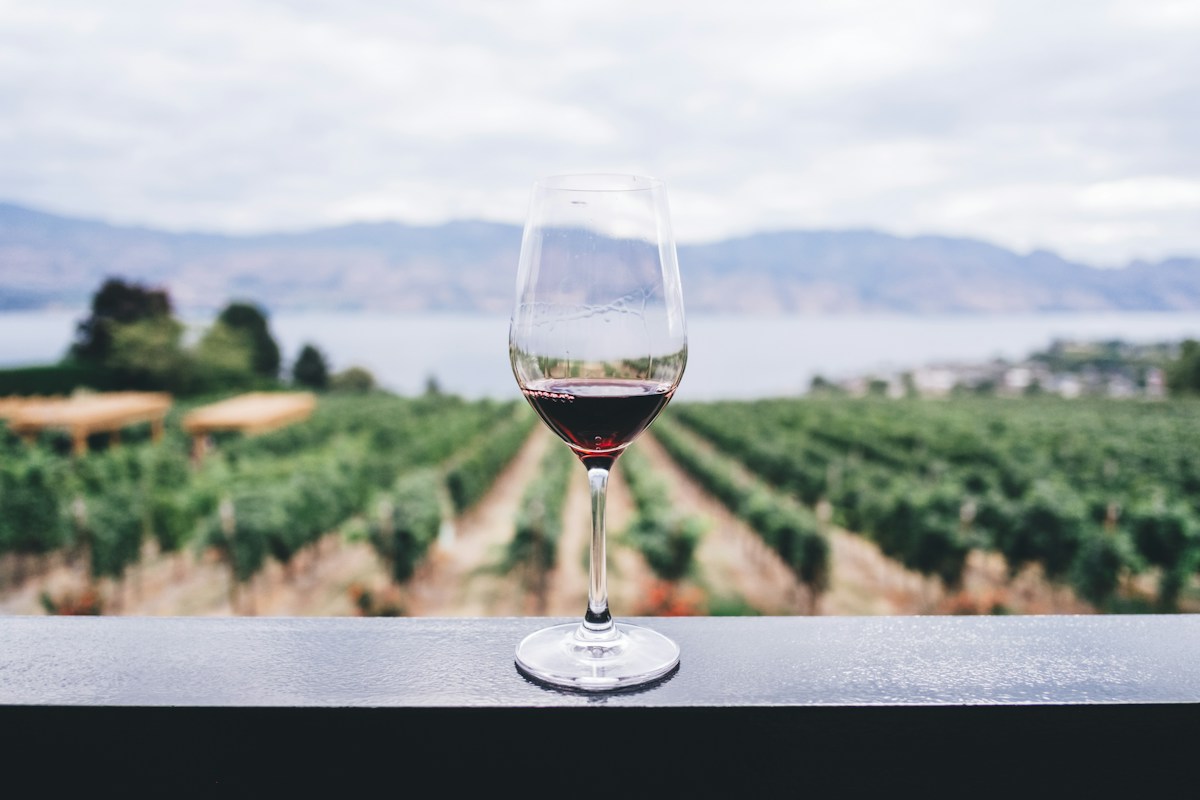
Anyone who has ever driven through the Médoc will never forget this landscape: endless rows of vines, stately châteaux gleaming in the sun, and the salty breath of the Atlantic in the air. The Médoc, located north of Bordeaux on the left bank of the Gironde estuary, is more than a wine region – it’s a feeling.
Some of the most famous red wines in the world are produced here, names even non-experts know: Pauillac, Margaux, Saint-Julien, Saint-Estèphe. But the Médoc is not just the myth of the grand châteaux. It is also the story of sandy soils, the battle against the wind, trust in time – and of people who have devoted themselves to wine for centuries.
In this blog we’ll dive deep into the Médoc: we’ll discover its unique terroir, the key grape varieties, its fascinating history and, of course, how best to enjoy these wines – from festive menus to an after-work glass.
---
Terroir and Climate
The Médoc owes its character to a fascinating combination of soil, location, and climate. This is exactly what makes the region’s wines so distinctive and sought after worldwide.
Geographical location – the left bank of the Gironde
The Médoc stretches north of the city of Bordeaux along the Gironde estuary and is often divided into two major parts:
- Haut-Médoc (closer to Bordeaux, with famous appellations such as Margaux, Pauillac, Saint-Julien, Saint-Estèphe)
- Bas-Médoc, or simply Médoc (further north, more rural, often with more accessible wines)
Proximity to water is crucial: the Gironde and the Atlantic act like a natural air-conditioning system. They moderate temperature extremes and protect the vines from late frosts – a major advantage in times of climatic uncertainty.
Soils – the magic of gravel
Ask a Médoc winemaker about their greatest treasure and they will probably not name the cellar, but the soil:
- Gravelly soils (Graves): the heart of the Médoc. Gravel stores warmth during the day and releases it to the vines at night. This allows later-ripening varieties such as Cabernet Sauvignon to ripen optimally.
- Sandy and clay components: They provide stylistic diversity, more richness (clay) or more lightness (sand), and from one micro-site to another they shape the aromatic profile.
Typical gravel mounds called “croupes” are found in many plots – small elevations on which the most famous châteaux often sit. Water drains perfectly from here, waterlogging is avoided, and the vines are forced to root deeply. The result: concentrated, complex grapes.
Climate – maritime, but with character
The Médoc is characterized by a maritime-temperate climate:
- Mild winters
- Long, often sunny summers
- Good ventilation from Atlantic winds
- Sufficient but not excessive rainfall
The nearby Atlantic Ocean and the region’s forests (such as the Forêt des Landes) protect the vineyards from extreme weather. Year after year this climate allows relatively consistent ripening, which explains the reliability of quality – even in more challenging vintages.
---
Grape varieties
When you say Médoc, you’re primarily saying: Cabernet Sauvignon. But that’s only the tip of the vine.
Cabernet Sauvignon – the backbone of the Médoc
Cabernet Sauvignon is the dominant grape variety in the Médoc and the foundation of many great blends. Typical characteristics:
- Firm tannins
- High aging potential
- Aromas of blackcurrant, cassis, cedarwood, tobacco, graphite
- Structured, linear, with clear acidity
On the warm, gravelly soils of the Médoc, Cabernet Sauvignon can show its strengths to the full. Especially in appellations such as Pauillac or Saint-Julien, it is usually the main variety.
Merlot – the velvety soul
Merlot brings volume, roundness, and charm to the blends:
- Softer tannins
- Aromas of plum, cherry, chocolate
- Ensures earlier drinkability
Merlot is often found on slightly cooler or heavier soils (e.g. clay), where Cabernet Sauvignon would be less ideal. The interplay of Cabernet and Merlot is the key to balance and harmony.
Cabernet Franc, Petit Verdot & co. – subtle refiners
Other varieties also play a role in smaller proportions:
- Cabernet Franc: adds freshness, spice, sometimes floral notes
- Petit Verdot: contributes color, tannin and spicy, dark fruit; particularly valuable in warm vintages
- In very small quantities, Carmenère or Malbec can also appear – historically rooted, but rare today
The art of the Médoc does not lie in a single grape variety, but in the composition. Every plot, every variety, every barrel lot is tasted and ultimately combined into a blend that carries the signature of the château.
---
History
The wine history of the Médoc is a story of pioneering spirit, trade, and prestige – but also of crises and renewal.
From marshland to wine icon
As late as the Middle Ages, large parts of the Médoc were damp, barely cultivable land. Only in the 17th century, largely thanks to Dutch engineers, did drainage begin.
Once the land was reclaimed, an incredible opportunity arose: the gravel terraces along the Gironde turned out to be perfect for viticulture – particularly for Cabernet Sauvignon.
Bordeaux trade and English influence
Early on, the Médoc benefited from international trade through the port of Bordeaux. English, Dutch and later German and American merchants discovered the quality of the wines.
Under English influence, red Bordeaux wines became popular as “claret” – a reputation that still resonates today.
The legendary 1855 Classification
For the 1855 World’s Fair in Paris, Napoleon III commissioned an official ranking of the best estates of the Médoc (and one from Graves). The result was the famous 1855 Classification, divided into:
- Premier Cru Classé (First Growth)
- Deuxième, Troisième, Quatrième, Cinquième Cru Classé
Châteaux such as Lafite-Rothschild, Latour, Margaux, Mouton-Rothschild became legends. This classification still shapes the image of the Médoc today – even though many unclassified châteaux now produce wines on an equal qualitative footing.
Crises, phylloxera & rebirth
Like the whole of Europe, the Médoc was struck by the phylloxera crisis in the 19th century. Many vineyards had to be replanted, and the economic foundations were shaken.
The 20th century brought wars, economic crises, but also innovation: modern cellar technology, better clone selection, stricter harvest controls.
Today, the Médoc is one of the most thoroughly studied and quality-driven wine regions in the world – with a rare blend of tradition and modern precision.
---
Enjoyment & food pairing
Médoc wines are made for the table – powerful, complex, yet often surprisingly elegant.
Style in the glass
Typical characteristics of a Médoc red wine:
- Color: deep ruby to garnet
- Nose: blackcurrant, blackberry, plum, cedar, pencil shavings, tobacco, leather, sometimes truffle and fine toasty notes from barrique
- Palate: firm tannins, good acidity, long finish, often great aging potential
Young top wines can appear angular and closed – patience or a large decanter are valuable allies here. Mature Médocs, on the other hand, unfold with beguiling complexity and silky texture.
Serving temperature & decanting
- Serving temperature: around 16–18 °C (61–64 °F)
- Young, tannic wines: definitely decant for 1–2 hours
- Older vintages: decant more gently, mainly to separate sediment, without giving too much oxygen
Classic food pairings
Médoc is a dream match for hearty cuisine:
- Beef: côte de boeuf, fillet, roast beef, braised beef cheeks
- Lamb: rack of lamb with herb crust, braised shoulder of lamb
- Game: venison, stag, wild boar – especially with dark sauces and forest aromas
- Duck & goose: roast duck, confit de canard
- Hard and semi-hard cheeses: Comté, Gruyère, Manchego, aged Gouda
Modern & creative combinations
Médoc doesn’t have to be reserved for “festive” occasions. It also pairs well with:
- Burgers made from high-quality beef, caramelized onions & aged Cheddar
- Lentil dishes and vegetarian stews with mushrooms and root vegetables
- Grilled vegetables (eggplant, bell pepper, zucchini) with thyme & rosemary
What matters is that the dish has enough power to stand up to the wine: better rich, hearty and aromatic than light, delicate and high in acidity.
---
FAQ – 10 questions about the Médoc
1. What exactly is the Médoc?
The Médoc is a wine region in Bordeaux, on the left bank of the Gironde, famous for dry red wines based on Cabernet Sauvignon and Merlot.
2. How does Médoc differ from Haut-Médoc?
“Médoc” refers to the northern part of the peninsula, “Haut-Médoc” to the southern part, closer to Bordeaux. Many famous appellations (Margaux, Pauillac etc.) are located in the Haut-Médoc.
3. Which appellations belong to the Médoc?
Key ones are: Médoc, Haut-Médoc, Margaux, Pauillac, Saint-Julien, Saint-Estèphe, Listrac-Médoc, Moulis-en-Médoc.
4. Are all Médoc wines expensive?
No. While there are world-famous, high-priced châteaux, many smaller estates and co-operatives offer Médoc wines with an excellent price–pleasure ratio.
5. How long can you age a Médoc?
Simple Médoc wines: about 5–8 years. Better and classified growths: 10–30 years or longer, depending on vintage and storage conditions.
6. How can I recognize a good Médoc in a shop?
Look at:
- Producer (château name, possibly Cru Classé or Cru Bourgeois)
- Vintage (classic strong Bordeaux years)
- Appellation (e.g. Pauillac, Saint-Julien etc.)
- Price: extremely cheap “Médoc” wines are rarely top quality.
7. Is Médoc always dry?
Yes, Médoc wines are traditionally dry red wines. Sweet wines from Bordeaux come from other regions (e.g. Sauternes).
8. Which grape variety dominates in the Médoc?
Cabernet Sauvignon is the most important variety, usually complemented by Merlot and small portions of other grapes.
9. Does Médoc also work without food?
Yes, especially more mature, well-integrated wines. Young, tannic Médocs often show better harmony when combined with food (e.g. cheese or meat dishes).
10. Is the Médoc a good place to visit?
Absolutely. Many châteaux offer tours, tastings and visits by appointment. The landscape, with its vineyards, châteaux and proximity to the Atlantic, is also highly attractive.
---
Conclusion
The Médoc is a region where everything revolves around balance: between sea and land, tradition and modernity, power and elegance. Its gravelly soils, mild maritime climate and mastery of Cabernet Sauvignon have produced wines that rank among the best in the world.
But behind the big names stand people who struggle every year anew for the perfect grape. Every bottle of Médoc tells the story of this struggle – of the weather, the soil, and the decisions in the vineyard and the cellar.
Anyone who really engages with the Médoc discovers far more than a “red wine from Bordeaux”. You discover a world of its own: the scent of cassis and cedar in the glass, the crackle of a roast in the oven, the soft clink of glasses at a special occasion – or in a very personal moment of calm.
Médoc is not a wine for haste. It is an invitation to take your time. For the wine. For the food. And for life in between.