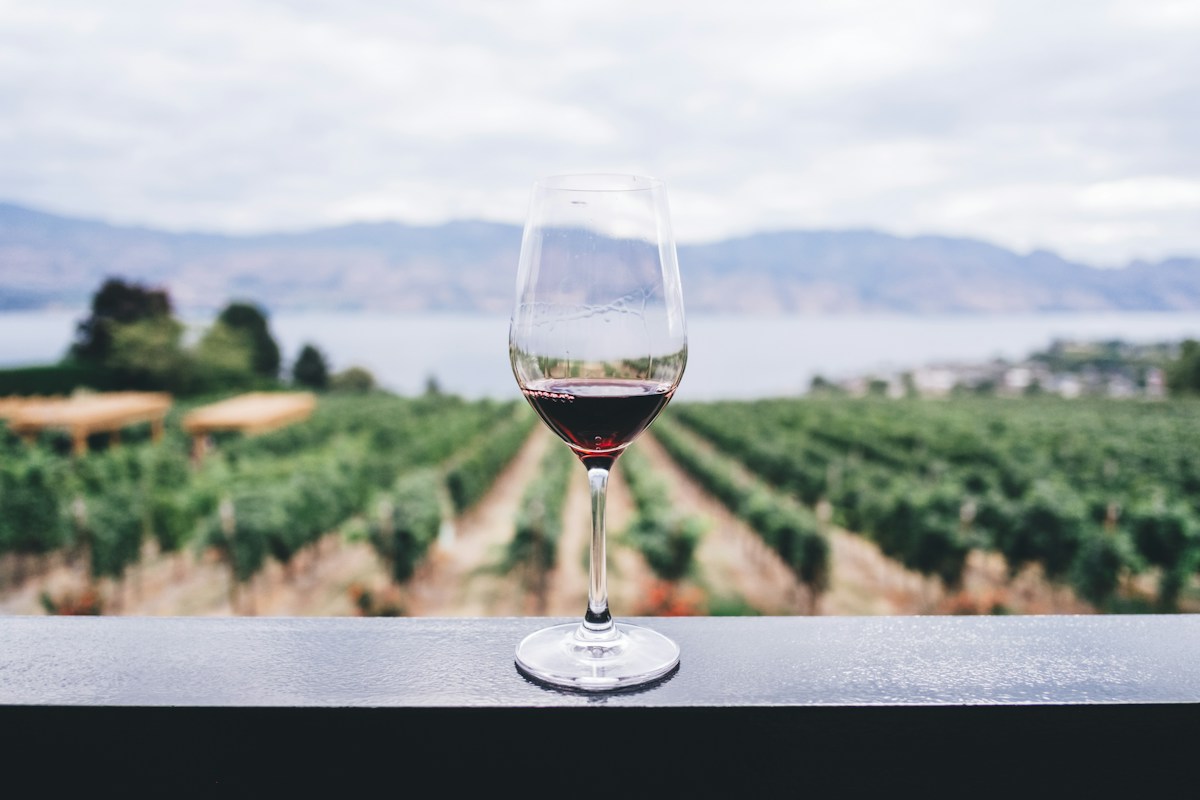
Côtes du Rhône – Sun-Drenched Diversity from the Rhône Valley
Discover Côtes du Rhône.
Between Sun and Stone: Why Côtes du Rhône Awakens Our Longing for Real Wine
Meta description: Discover the magic of Côtes du Rhône: terroir, grape varieties, history & food pairing – an emotional guide for wine lovers.
Introduction
There are wines you simply drink – and wines you experience. Côtes du Rhône belongs to the second category. The very first scent in the glass is like a warm gust of wind from southern France: herbs, ripe fruit, a hint of lavender and garrigue – that wild scrubland of thyme, rosemary and juniper that shapes the hills of the Rhône.
Côtes du Rhône is not a single wine, but an entire world. A region stretching along the Rhône Valley from Vienne down to just before Avignon. A landscape where stony soils, old vines and dramatic winds work together towards a single goal: to create wines with character. Wines that tell the story of where they come from – and of the people who make them.
This article takes you on a journey through Côtes du Rhône: its terroir, its grape varieties, its history – and of course the moments when a glass of Côtes du Rhône becomes the perfect companion.
---
Terroir and Climate
To understand Côtes du Rhône, you have to go outside: into the vineyards, into the dust, into the wind.
A mosaic of soils
The Côtes du Rhône appellation includes hundreds of communes and an impressive diversity of soils. Three types are particularly characteristic:
- Galets roulés (rounded pebbles): Found mainly in the southern Rhône Valley around Châteauneuf-du-Pape, but also in many Côtes du Rhône sites. These large, rounded stones store heat during the day and release it to the vines at night. The result: optimal ripeness, concentrated grapes, intense wines.
- Limestone and marl: They bring structure, freshness and finesse to the glass. Here you’ll find wines with lively acidity, ideal for Côtes du Rhône whites and more elegant reds.
- Sand and clay: Sand provides delicacy, floral notes, gentle tannins; clay adds power and richness. Many of the most harmonious Côtes du Rhône wines come from parcels where these elements are mixed.
The climate: The Rhône as oven and ventilator
The Rhône region thrives on a Mediterranean climate – warm, dry, sun-drenched. But it would not be what it is without one powerful force of nature: the Mistral.
- Sun: Up to 2,800 hours of sunshine a year ensure perfectly ripe grapes and intense aromas.
- The Mistral: A cold, dry north wind that blows away the clouds, dries the vines and thus reduces fungal diseases. It can be brutal, but it is an ally of the winemakers: less need for chemicals, clearer, cleaner wines.
- Cool nights: Especially in higher-altitude sites and in the northern Rhône Valley, the difference between daytime and nighttime temperatures brings freshness and tension to the wine.
North vs. South: Two souls, one appellation
Even though the term “Côtes du Rhône” is usually associated with the south, the appellation covers both northern and southern areas. You can taste the difference in style:
- Northern Côtes du Rhône: Cooler, Syrah-dominated, often peppery, with dark fruit and firm structure.
- Southern Côtes du Rhône: Warmer, sunnier, blends of several varieties, with notes of ripe berries, herbs and spices.
What unites all these wines is the terroir. You can taste sun, stone, wind – and always a touch of the wild Rhône landscape.
---
Grape Varieties
Côtes du Rhône is a celebration of diversity. About 20 authorized grape varieties are permitted – and almost every blend is a consciously composed interplay.
Red varieties (the heartbeat of the region)
- Grenache Noir
The soul of many Côtes du Rhône wines.
- Aromas: red fruits (strawberry, cherry), spices, sometimes a hint of fig.
- Style: round, warm, soft, with plenty of charm and alcohol richness.
- Syrah
The structuring force, especially in the north, but also important in the south.
- Aromas: dark berries, violets, black pepper, olives, smoke.
- Style: spicy, firm, ageworthy.
- Mourvèdre
The backbone in many blends.
- Aromas: dark fruits, leather, game, Mediterranean herbs.
- Style: powerful, tannic, excellent aging potential.
There are also Carignan, Cinsault, Counoise and other regional varieties that contribute structure, freshness or aromatic finesse.
White varieties – often underestimated, rarely forgotten
- Grenache Blanc: full-bodied, with notes of stone fruit, blossoms, honey.
- Viognier: exotic, fragrant, apricot, peach, flowers.
- Marsanne & Roussanne: nutty, complex, with good aging potential.
- Clairette, Bourboulenc and others: bring freshness, lightness and tension.
Côtes du Rhône whites are aromatic, structured and often surprisingly versatile at the table – from fish to cheese.
Rosé from Côtes du Rhône
Rosé plays an important, if less well-known, role. Usually made from Grenache, Cinsault and Syrah:
- Aromas: red berries, citrus, sometimes flowers and herbs.
- Style: from fruity-fresh to serious and structured, perfect for balmy summer evenings – or as an apéritif all year round.
---
History
The history of Côtes du Rhône is a love story between people and vines that goes back more than 2,000 years.
Romans, Rhône and the first vines
The Romans were the first to recognize the potential of the Rhône slopes. They planted vines along the trade routes and used the river as a transport route – wine quickly became an important economic asset. The earliest mentions of vineyards in the region date back to this time.
Middle Ages & the Church: Wine as a power factor
With the move of the papacy to Avignon in the 14th century, the region gained even greater importance. Cardinals and bishops realized how well high-quality wine could be produced here. Vines were systematically planted, sites were selected, and differences in quality were consciously noted.
From country wine to appellation
In the 19th century, the phylloxera crisis brought Europe’s vineyards – including those of the Rhône Valley – to the brink of ruin. After the disaster, replanting began, this time more deliberately, with careful selection of varieties and sites.
In 1937, the Côtes du Rhône appellation was officially recognized. It set rules for yields, grape varieties and minimum alcohol content – a clear commitment to quality and origin.
Today: Tradition meets modernity
Today, Côtes du Rhône stands for:
- Artisanal estates working in harmony with nature and terroir.
- Organic and biodynamic viticulture, which is already a lived reality in many wineries.
- A welcome range of styles: from uncomplicated everyday wines to complex blends suitable for aging.
Côtes du Rhône has not stood still – but it has never forgotten where it came from.
---
Enjoyment & Food Pairing
A glass of Côtes du Rhône is like an invitation to the table. It is a wine that seeks company – and dishes that speak its language.
Red Côtes du Rhône – the culinary all-rounder
Most Côtes du Rhône wines are red. They go perfectly with dishes that are as honest and down-to-earth as the wines themselves.
- Classic combinations:
- Lamb chops with herbes de Provence
- Braised beef shoulder, pot roast, ossobuco
- Ratatouille, stuffed vegetables, baked eggplant
- Pizza with Mediterranean toppings, pasta with tomato sauce
- For more powerful blends (with plenty of Syrah/Mourvèdre):
- Game, duck, braised quail
- Mature hard cheeses (Comté, Gruyère, aged mountain cheeses)
- Truffle dishes or mushroom risotto
Thanks to their fruit, spice and moderate tannins, red Côtes du Rhône wines are very versatile – they pair especially well with aromatic herbs and Mediterranean cuisine.
White Côtes du Rhône – the underrated gourmet
White Côtes du Rhône wines are often full-bodied, aromatic and surprisingly food-friendly.
- Perfect partners:
- Grilled fish, sea bream, sea bass
- Scallops, prawns, seafood pasta
- Poultry with creamy sauces
- Goat’s cheese, milder soft cheeses, Asian dishes with gentle heat
They combine richness with structured acidity – ideal for dishes that bring both elegance and a certain creaminess.
Rosé – summer in a glass, but not only
Rosé from Côtes du Rhône is perfect:
- For barbecues: merguez sausages, chicken skewers, grilled vegetables
- For light salads, antipasti, tapas
- For Mediterranean starters like aioli, olives, pickled vegetables
Rosé is the wine for that moment when the light softens, the air is warm and life feels a little easier.
Serving temperature & decanting
- Red: 15–17 °C (serve slightly cooler; it will warm up in the glass)
- White: 10–12 °C
- Rosé: 8–10 °C
More powerful, young red Côtes du Rhône wines often benefit from decanting (30–60 minutes) to allow their aromas to fully unfold.
---
FAQ – 10 Questions About Côtes du Rhône
1. What does “Côtes du Rhône” actually mean?
“Côtes du Rhône” literally means “slopes of the Rhône” and refers to a protected designation of origin (AOC) for wines from certain areas along the Rhône Valley in southeastern France.
2. Is Côtes du Rhône always red?
No. Around 90% of production is red, but there are also very interesting white and rosé wines sold under the Côtes du Rhône label.
3. What is the difference between Côtes du Rhône and Côtes du Rhône Villages?
Côtes du Rhône Villages is a higher-classified appellation with stricter rules (lower yields, higher minimum alcohol, precisely defined communes). The wines are usually more complex and of higher quality.
4. Which grape varieties dominate Côtes du Rhône?
For red: mainly Grenache, Syrah and Mourvèdre. For white: among others Grenache Blanc, Viognier, Marsanne, Roussanne, Clairette.
5. How long can you age Côtes du Rhône?
Simple Côtes du Rhône wines are made to be enjoyed within 3–5 years. Higher-quality blends, especially Côtes du Rhône Villages or single-vineyard wines, can age well for 8–10 years and longer.
6. Do all Côtes du Rhône wines taste the same?
No. The region is large, with many different soils, microclimates and styles. Everything exists, from fruity, easy-drinking everyday wines to complex, spicy top wines.
7. Does Côtes du Rhône go well with vegetarian dishes?
Absolutely. Ratatouille, lentil stew, roast vegetables, mushroom dishes and Mediterranean pasta pair beautifully with red Côtes du Rhône. White versions go well with vegetable gratins, salads and cheese-based dishes.
8. Is Côtes du Rhône a good “entry-level wine” for France?
Yes. Côtes du Rhône offers a very good price-to-pleasure ratio and an authentic impression of southern French wine – accessible, but with character.
9. How can I recognize a good Côtes du Rhône in a shop?
Look for:
- Producer (well-regarded estates or committed cooperatives)
- Vintage (avoid very hot or problematic years, if known)
- Indications such as “Côtes du Rhône Villages” or additional village or vineyard names.
10. Is Côtes du Rhône the same as Châteauneuf-du-Pape?
No. Châteauneuf-du-Pape is a separate, higher-ranked appellation within the Rhône region. Many of its wines, however, are based on similar varieties and a related terroir to that of high-quality Côtes du Rhône wines.
---
Conclusion
Côtes du Rhône is more than a name on a label. It is a promise: of sunshine in the glass, of spicy herbal notes, of honest, characterful wines that never deny their origins.
Every sip holds the light of the south, the breath of the Mistral, the warmth of the rounded stones in which the vines take root. Côtes du Rhône is a wine for people who love authenticity – for long tables, convivial evenings, quiet conversations and loud laughter.
Anyone who opens up to this region discovers an impressive diversity: accessible everyday wines, ambitious blends, fascinating whites and rosés that evoke the sea, herbs and summer.
Perhaps that is precisely the magic of Côtes du Rhône: for a moment, it carries us to a place where life seems simpler – a shady spot, a laid table, a glass of wine. And the certainty: you don’t have to travel far to feel the Rhône. You just have to open the bottle.