The Weather‑Lightning Trincadeira: A Red Wine Like a Late Summer Thunderstorm over Portugal
A passionate portrait of Trincadeira – a deeply Portuguese red that tastes like late-summer storms, wild herbs, black olives and the bittersweet Saudade of the south.
The Weather‑Lightning Trincadeira: A Red Wine Like a Late Summer Thunderstorm over Portugal
Dear wine lovers,
some grape varieties are like old friends: reliable, predictable, a little too smooth. And then there are those grapes that sweep across the soul like a surprising summer storm – dark, fragrant, electrifying. Trincadeira belongs to the second kind. It isn’t a loud celebrity, but a quiet icon of Portugal that only reveals itself to those who are ready to listen, to smell, to taste – and to dream a little.
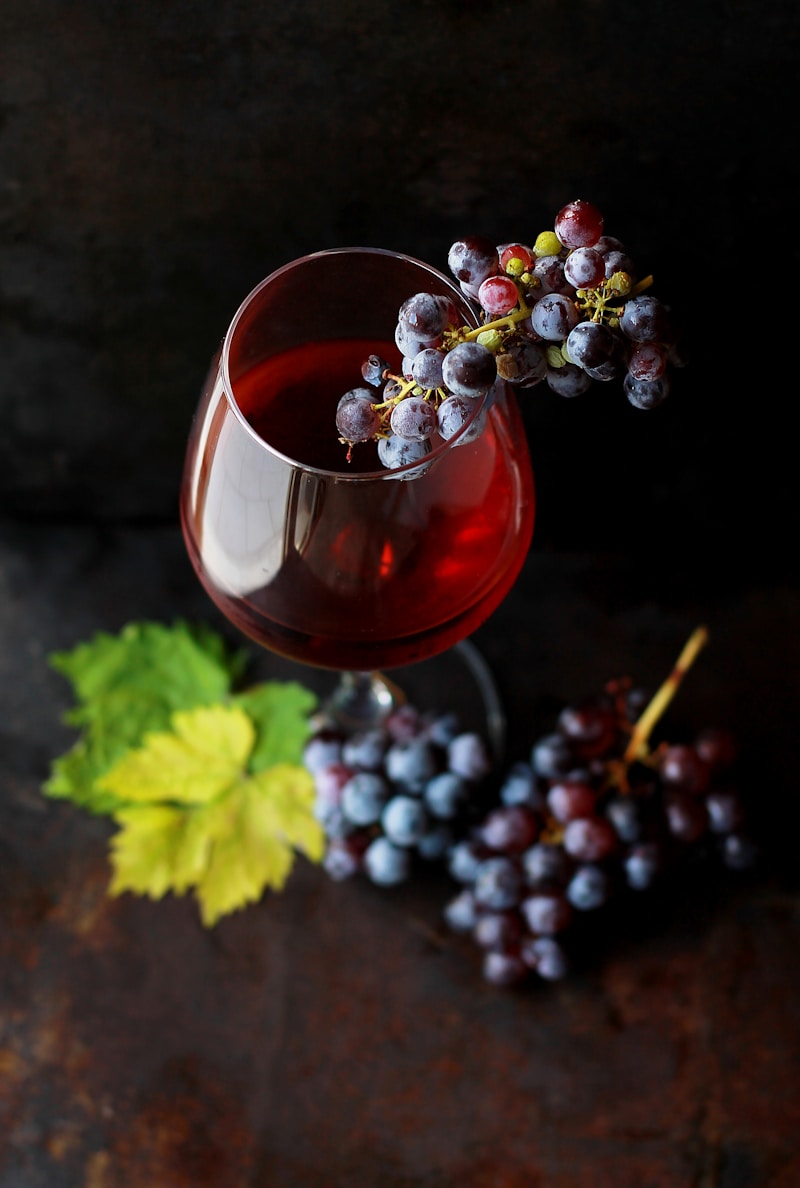
Trincadeira is like a late summer thunderstorm over the Alentejo plains: dark and shimmering in the glass, with a violet rim that recalls grapes in the evening twilight. On the nose, wild herbs, black olives and ripe plums dance as if the wind were whispering through old stone walls and across dusty paths. On the palate it shows itself both delicate and unruly: juicy forest berries, blackcurrant, a hint of dried figs, peppery spice and that subtle bitterness that stirs the Saudade of the south – that bittersweet melancholy that makes Portugal so unique.
What makes Trincadeira special is its contradiction: medium body but high, vibrating acidity; dark, warm fruit and at the same time cool herbal aromas; rustic earthiness and yet an almost dancing elegance. It is not the wine you drink on the side – it is the wine that makes you pause mid‑conversation because suddenly a hint of dried herbs, black olives and forest berries on your tongue begins to tell a story. A story of sun and drought, of stone and dust, of wind and sea – the story of Portugal in a glass.
---
1. The Globetrotter in the Glass: Where Trincadeira Feels at Home
At heart, Trincadeira is a deeply Portuguese grape variety. And yet in each of its homelands it shows a different face – like a person who lives out different sides of their personality in different cities.
Alentejo – The Fiery Soul of the South
In Alentejo, this wide, sun‑scorched plain with its cork oaks and olive groves, Trincadeira feels particularly at ease – and you can taste it. Here it ripens under hot days and cool nights, fights against drought and heat, and draws its intensity from exactly that.
Trincadeira from Alentejo often shows:
- juicy plum and dark forest berries
- black olives, dried herbs and sometimes a hint of dried figs
- a warm, spicy, lightly peppery character
The wines are usually medium‑bodied, with lively but well‑integrated acidity and often a slightly softer texture. They feel like a warm evening on a terrace in Évora: enveloping, aromatic, with a touch of wistfulness in the air.
Tejo – Freshness from the River
Further north, in the Tejo area around the Tejo river, Trincadeira can breathe a little more freely. The climate is more moderate here, the influence of the river brings cooler nights and a bit more balance. The wines therefore feel a little fresher, straighter and more structured.
Typical for Trincadeira from Tejo:
- pronounced acidity that keeps the wine lively and juicy
- clear fruit of blackcurrant and forest berries
- a little less powerful spice, but instead an elegant, almost “cool” herbal character
Here Trincadeira shows its easy‑drinking side: perfect for the table, versatile, always with that exciting combination of dark fruit and vibrant drive.
Península de Setúbal – Between Atlantic and Tradition
On the Península de Setúbal, south of Lisbon, you can feel the breath of the Atlantic: salty air, wind, a constant interplay of warmth and freshness. Trincadeira here often shows a finer structure and can appear somewhat more elegant, almost Burgundian – in a Portuguese sense.
Typical:
- dark berries, plum, sometimes fig
- noticeable but finely knit acidity
- herbs, olives, a hint of sea breeze in the minerality
This is where exciting blends are created, in which Trincadeira often plays with other varieties, but even as a single‑varietal wine it shows a fascinating balance between power and finesse.
Douro – The Steep Terraces of the North
In the Douro Valley, famous for its Port wines, Trincadeira (often also called “Tinta Amarela”) plays a somewhat different role. Here it stands in the shadow of big names, but those who pay attention can still recognize its signature within blends.
In Douro it:
- shows darker, more concentrated fruit
- brings peppery spice and dried herbs into the blend
- supports the freshness of the wines with its high acidity
Trincadeira from Douro – whether single‑varietal or as part of a blend – feels structured, more serious, with a clear backbone and often distinct ageing potential.
Lisboa – The Coastal Poet
Around the Lisboa region, north of the capital, cool Atlantic breezes mingle with sunny days. Trincadeira benefits here from freshness and wind.
Typical:
- slightly lighter fruit within the dark spectrum: more forest berries, blackcurrant
- pronounced, citrus‑like acidity
- a fine‑spicy, almost salty streak on the finish
Lisboa‑Trincadeira is often the ideal everyday wine for connoisseurs who love complexity without seeking heaviness.
---
2. The Dance of Maturation: How Ageing Shapes Character
Trincadeira is like a gifted dancer: she can dance barefoot in the dust, wild and free – or glide across a parquet floor in a silky dress. Whether stainless steel tank or wooden barrel determines which choreography she chooses.
In Stainless Steel – The Unvarnished Truth
Ageing in stainless steel means: no oak aromas, no additional vanilla or toasty notes. The wine remains pure, direct, honest. For an aromatic variety like Trincadeira, this is often a gift.
This is how Trincadeira from stainless steel shows itself:
- clear fruit: plum, blackcurrant, forest berries
- pronounced, fresh acidity – lively, almost racy
- herbs, pepper, black olives come to the fore especially clearly
These wines are juicy and easy to drink, with a medium body that doesn’t tire. They’re ideal when you want to experience the pure signature of the variety: the wild herbaceousness of Portugal, the dark berry fruit, this almost Mediterranean spice – but without the warming veil of oak.
In Oak – The Velvety Side of Saudade
In wooden barrels – whether large foudres or smaller barriques – Trincadeira unfolds another dimension. Oak acts like dimmed light in an old room: it makes everything softer, rounder, more mysterious.
Trincadeira in oak:
- develops softer tannins; the mouthfeel becomes creamier and rounder
- the dark fruit appears deeper: plum and fig move into the foreground
- spice notes like pepper merge with hints of cocoa, tobacco or smoke (depending on the oak regimen)
The contrast is particularly exciting: Trincadeira’s high acidity draws a taut line, while the oak adds velvety fullness. This creates wines that can age beautifully, are complex partners at the table, and make that subtle bitterness, that “Saudade” on the finish, even more haunting.
The Art of Balance
The best Trincadeira wines find a balance: not too much oak, so that wildness and herbaceousness aren’t smothered; not too little, when depth and texture are desired. Winemakers who respect this variety’s stubborn personality use oak more like a frame for a painting – never like thick paint that covers the picture.
If you want to ease your way in:
- stainless steel: ideal for a first encounter, for lighter dishes, for a summer evening on the terrace
- moderate oak: for moments when you seek depth, conversation and slowness in the glass
---
3. Pairing Recommendations: The Perfect Partner
Trincadeira is a wine that loves food – and wants to be loved by food. Its high acidity and dark, spicy fruit make it a wonderful companion to hearty, earthy cuisine.
| Gericht | Wein-Stil | Warum es funktioniert |
|--------------------------------------|-----------------------------------|----------------------------------------------------------------------------------------|
| Geschmorte Lammkeule mit Rosmarin, Knoblauch & Oliven | Trincadeira mit moderatem Holzausbau (Alentejo, Setúbal) | Die dunkle Frucht, Oliven- und Kräuternoten spiegeln die Aromen des Lamms; Säure schneidet durch das Fett, Holz sorgt für Struktur. |
| Gebratene Entenbrust mit Waldbeeren-Reduktion | Frischer, fruchtbetonter Trincadeira aus Stahltank (Tejo, Lisboa) | Die hohe Säure balanciert die Fettigkeit der Ente, die Beerenaromen verbinden sich harmonisch mit der Sauce, ohne zu erschlagen. |
| Gegrilltes Gemüse & mediterrane Antipasti (Aubergine, Paprika, Zucchini, schwarze Oliven) | Leichter bis mittelkräftiger Trincadeira ohne starken Holzeinfluss | Kräuter- und Olivenaromen des Weins greifen die mediterranen Noten auf, Säure bringt Frische, der mittlere Körper überdeckt das Gemüse nicht. |
---
4. FAQ – 10 Questions for Trincadeira Lovers
❓ 1. Is Trincadeira more of a light or a full‑bodied red wine?
Trincadeira usually sits in the middle: no lightweight, but no muscle‑bound giant either. It has a medium body, but really lives from its lively, high acidity and intense aromatics. This makes it feel more dynamic than powerful.
---
❓ 2. What does Trincadeira typically taste like?
Expect dark fruit such as plum, blackcurrant and forest berries, plus dried herbs, black olives and often a hint of dried fig. Peppery, slightly earthy spice and a fine, pleasant bitterness on the finish recall Mediterranean landscapes and Portuguese Saudade.
---
❓ 3. Is Trincadeira always vinified dry?
As a rule, yes. Trincadeira is predominantly vinified dry, both as a single‑varietal wine and in blends. The fruit sweetness you perceive comes from ripe fruit, not residual sugar.
---
❓ 4. Can Trincadeira age, or should it be drunk young?
Both are possible. Fresh Trincadeira wines aged in stainless steel are enormous fun when young and should be drunk within 3–5 years. High‑quality, oak‑aged versions – especially from regions like Alentejo or Douro – can age for 8–10 years and sometimes longer. Over time, fig, dried herbs, tobacco and earthy notes move into the foreground.
---
❓ 5. Is Trincadeira mainly a single‑varietal speciality or more of a blending grape?
It’s both. In many regions of Portugal, especially in Alentejo, you’ll find wonderful single‑varietal Trincadeira wines that show the grape’s character in pure form. At the same time, it plays an important role as a blending partner: its acidity and spice bring freshness and structure to blends with fuller‑bodied varieties.
---
❓ 6. Which dishes pair particularly well with Trincadeira?
Trincadeira loves hearty, slightly rustic cuisine: braised lamb, beef or game, Mediterranean dishes with olives, herbs and tomato, grilled vegetables, mushroom dishes and robust pasta. Thanks to its high acidity, it is a wonderful wine for dishes with fat or intense flavours without ever feeling heavy.
---
❓ 7. Should I decant Trincadeira?
Younger, fresh wines from stainless steel usually just need a little air in the glass. Medium‑bodied to complex Trincadeira wines aged in oak, however, clearly benefit from 30–60 minutes in a decanter: tannins become rounder, dark fruit and herbal spice open up, and the wine feels more harmonious.
---
❓ 8. What is the ideal serving temperature for Trincadeira?
Between 15 and 17 °C is a good guideline. Too warm and the wine loses freshness and feels more alcoholic; too cold and fruit and spice shut down. A lightly chilled Trincadeira on a warm summer evening can also be fantastic, especially the fruit‑driven versions from stainless steel.
---
❓ 9. Is Trincadeira a good gateway grape for newcomers to Portugal?
Yes, if you’re curious about character. Trincadeira may be less immediately accessible than a super‑fruity, soft red – but it offers a wonderful window into the Portuguese wine world. Its combination of dark fruit, herbs, olives and high acidity shows you instantly what makes Portuguese reds so unique.
---
❓ 10. How do I recognize Trincadeira on the label – does it have other names?
On many Portuguese labels you’ll find the name “Trincadeira” directly. In Douro, however, it can also appear as “Tinta Amarela”. Also look out for regions such as Alentejo, Tejo, Península de Setúbal, Douro and Lisboa – in these, the likelihood is high that Trincadeira is at least involved as a blending partner.
---
Next time you pick up a bottle from Portugal and see the name Trincadeira on it, think of that summer thunderstorm over the Alentejo plains: of dark plums, the scent of dried herbs, of black olives in the dust of old stone walls and of the fine, bittersweet line of Saudade on the finish. Open it slowly, pour yourself a glass – and let Portugal in your glass speak to you.