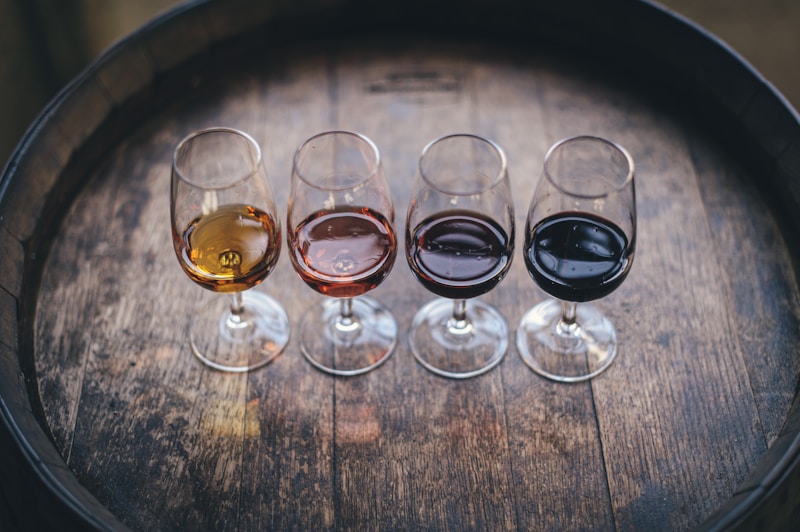
Can You Taste PIWI? The Big Sensory Check
PIWI is not a flavour category of its own but an extension of the wine world. How Souvignier Gris, Cabernet Blanc, Divico, Solaris and Muscaris actually taste depends – as always – on style, origin and winemaking.
Can You Taste PIWI? The Big Sensory Check
PIWI wines are surrounded by a persistent myth: “They just taste different.” From a consumer’s point of view, only one thing matters: what is in the glass – and whether it reminds you more of Sauvignon Blanc, Chardonnay or Pinot Noir.
PIWI stands for fungus-resistant grape varieties. They have a higher resistance to certain fungal diseases, but they do not form a flavour category of their own. What matters is what always matters with good wine: origin, vintage, work in the vineyard, harvest time and cellar decisions. PIWI is therefore not the opposite of classic wine, but an extension of the wine world.
This sensory check looks at key PIWI grapes from a consumer’s angle: How do they typically taste, which familiar styles do they resemble – and what do they pair with at the table?
#### PIWI in the glass: What you should really look for
Recent blind tastings show that PIWI wines can be perceived as at least equal in quality; sensory profile and style remain the decisive factors, not what is printed on the label. That is why tasting without prejudice is so useful: pick a style you already enjoy and look for a matching PIWI.
Modern consumer guides suggest a simple order of questions:
- Flavour & style: citrusy and light, creamy and soft, aromatic and loud, structured and gastronomic.
- Occasion & food: aperitif, casual meal, fine dining.
- Origin & craftsmanship: region, vintage, élevage.
- Grape & resistance advantage: PIWI as background information – not the sole buying argument.
With this compass in mind, let’s look at specific grapes.
#### Souvignier Gris: The versatile white all-rounder
In current competitions, Souvignier Gris appears frequently – up to top scores in international PIWI challenges. The variety is a good example of how PIWI now clearly plays in the quality-focused white wine league.
Style & comparison:
- Often medium to full-bodied.
- Aromatics between subtle stone fruit and ripe citrus, often with fine herbal notes.
- Depending on winemaking, Souvignier Gris may resemble modern Pinot Gris / Grauburgunder styles or fuller-bodied, warmer white wines.
Who will like it:
- If you enjoy Grauburgunder, unoaked Chardonnay or Weissburgunder from warmer sites, Souvignier Gris is an obvious entry point.
Pairing ideas:
- Classic food partner for poultry, creamy vegetable risottos, pasta with cream-based sauces and pan-fried fish.
- The more structured versions work very well with white meat in sauce and with mushroom dishes.
#### Cabernet Blanc: Herbal freshness for Sauvignon fans
Cabernet Blanc is one of the PIWI grapes that can feel particularly familiar in style.
Style & comparison:
- Ranges from zesty citrus to grape-like fruit, often with pronounced herbal and leafy notes.
- Depending on vinification, the spectrum goes from linear and crisp to aromatic and powerful.
- In practice, Cabernet Blanc is frequently reminiscent of Sauvignon Blanc – often on the herbal, less tropical side.
Who will like it:
- If you love grassy, herbal Sauvignon Blanc with gooseberry and fresh herbs, many Cabernet Blanc wines will feel instantly recognisable.
Pairing ideas:
- Ideal with herb-driven cuisine: goat cheese, fresh salads, asparagus dishes, fish with herbs.
- Works with Asian-inspired dishes with coriander, lime or ginger, as long as the heat level stays moderate.
#### Solaris: Sunny character for easy drinking
Solaris is widely used in cooler regions as a sort of ripeness guarantor – early-ripening with lots of natural fruit.
Style & comparison:
- Often strongly fruit-driven, with ripe yellow fruit and noticeable sweetness if not vinified fully dry.
- In dry versions, Solaris can resemble ripe Müller-Thurgau or more aromatic Pinot Gris styles; with residual sweetness it feels close to fruity white wines common in many entry-level ranges.
Who will like it:
- Anyone who enjoys charming, fruity whites and does not mind a bit of extra volume.
Pairing ideas:
- Dry styles: great as an aperitif, with flavourful cheeses and light Mediterranean dishes.
- Sweeter versions: good matches for spicier Asian dishes or gentle fruit-based desserts.
#### Muscaris: Aromatic with a muscat twist
Muscaris is one of the clearly aromatic PIWI varieties.
Style & comparison:
- Typically very floral and grapey with muscat notes – stylistically close to Muscat / Muskateller wines.
- Depending on residual sugar, it ranges from featherlight and dry to sweet-fruity.
Who will like it:
- Fans of Muscat, lighter-style Gewürztraminer or expressive aperitif wines will have fun with Muscaris.
Pairing ideas:
- Dry and light: perfect as an aperitif, with mezze, tapas and cold platters.
- With some sweetness: with aromatic, mildly spicy dishes or cheese-based desserts.
#### Divico & friends: Red PIWI as new food wines
Divico stands for the growing family of red PIWI varieties in the DACH region. Current professional tastings and PIWI specials – including from Switzerland – show that red PIWI wines can run from fine cherry to dark fruit, spice and firm tannins.
Style & comparison (general red PIWI styles):
- From pale, cherry-scented and juicy (akin to Pinot-Noir-oriented styles) to darker, spicier fruit with marked tannin.
- Modern winemaking focuses on precision, freshness and gastronomic usability.
Who will like them:
- If you are into Pinot Noir, Blaufränkisch or modern, cooler-climate Cabernet/Merlot styles, you can find suitable equivalents among red PIWI wines – depending on variety and élevage.
Pairing ideas:
- Lighter, cherry-driven styles: with poultry, veal, mushroom dishes and grilled vegetables.
- Darker, spicier, more tannic wines: with beef, lamb, hearty braises and mature hard cheeses.
#### How to find your PIWI style
Instead of wrestling with unfamiliar grape names, it pays to start from flavour profiles you already know. Contemporary PIWI guides advocate exactly that:
- White, light, citrusy-herbal: Cabernet Blanc & co. for Sauvignon lovers.
- White, creamy, structured: serious Souvignier Gris for Grauburgunder/Chardonnay drinkers.
- White, aromatic: Muscaris and related types – for fans of fragrant aperitif wines.
- Red, bright-fruited: PIWI reds with cherry and berry notes.
- Red, dark and spicy: powerful PIWI reds for hearty dishes and red meat.
If in doubt, make use of the new infrastructure around PIWI: DACH reference lists increasingly link vintage, producer, tasting note and concrete food matches. This turns abstract variety knowledge into a very practical shopping tool – for private cellars and for restaurants alike.
#### Conclusion: PIWI tastes like wine – not like technology
So what remains of the idea of a distinct “PIWI taste”? Across varieties, no single, uniform PIWI note can be pinned down. Current research shows: in blind tastings, style and quality decide, not the breeding method. PIWI is simply an extension of the wine universe – with the chance to rediscover familiar styles in a new guise.
If you want to dive deeper, the PIWI Yearbook DACH 2026/27 bundles current wines, ratings and food pairings from Germany, Austria and Switzerland – available for free at wine-pairing.online/piwi-jahrbuch. And if you are still unsure about your next food match: AI sommelier Henri on wine-pairing.online will help you find the right PIWI (or classic) bottle – without any jargon.