The Dark Queen Touriga Nacional: Born from Grapes and Granite in Portugal’s Beating Heart
Touriga Nacional – die dunkle Königin Portugals: kraftvoll, duftig, voller Seele. Eine Rebsorte, die Landschaft, Geschichte und Melancholie ins Glas bringt.
The Dark Queen Touriga Nacional: Born from Grapes and Granite in Portugal’s Beating Heart
Dear wine lovers,
dear seekers of depth in the glass,
there are grape varieties you drink – and there are grape varieties you remember. Touriga Nacional belongs to the second category. She is not a simple companion for a casual evening; she is an encounter: dark, mysterious, demanding – and infinitely rewarding. Once you’ve truly met her, you’ll recognize her among thousands.
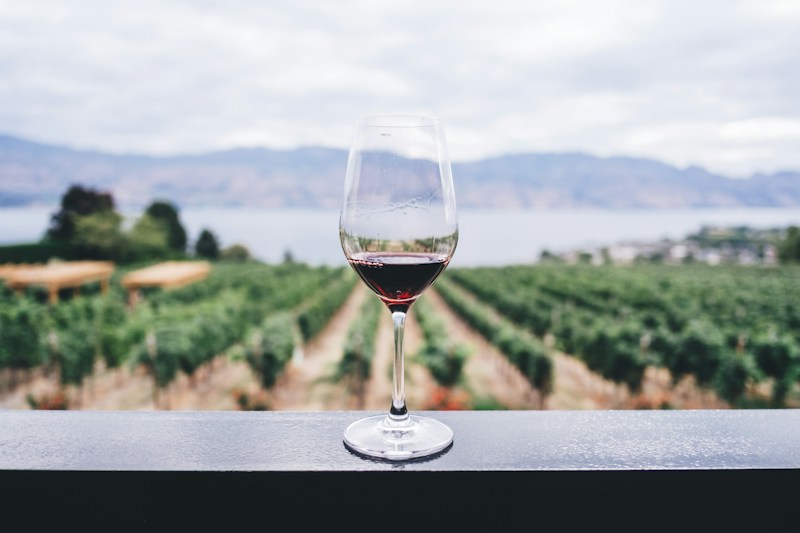
Touriga Nacional is the dark queen of the Portuguese terraces, a creature of schist, granite, and sun. In your glass she shimmers almost black‑violet, as if she had swallowed the Douro itself. At the rim she recalls the skin of ripe plums, deep and glossy. Even the first glance into the glass is like a curtain rising: behind it wait violets, black cherry, blackberry, and plum, wrapped in rosemary, dark chocolate, and a hint of graphite – like the scent of an old wine cellar in whose stone walls time itself is preserved.
What makes her so special? Touriga Nacional is powerful and yet fragrant. Full‑bodied, but never clumsy. She unites structure and sensuality, muscle and poetry. Her medium acidity carries the fruit like a wave, her tannins are dense yet fine, like polished ebony. She is the grape that gives great Port wines their depth – and, in dry form, defines the modern soul of Portuguese red wine. When you have her in your glass, you are not just drinking wine – you are drinking landscape, history, and a quiet, proud melancholy that only Portugal knows this way.
---
1. The Globetrotter in the Glass: Where Touriga Nacional Feels at Home
By nature, Touriga Nacional is a child of Portugal’s mountains and river valleys. She loves poor soils, steep terraces, and temperature swings that would make most grape varieties nervous. And yet she shows a different facet in each region – like a jewel that flashes different colors in the light.
Douro – The Dramatic Stage of the Terraces
In the Douro, this rugged, breathtaking river landscape in northeastern Portugal, Touriga Nacional is at home like no other grape. The vines cling to schist terraces that store the heat in summer and release it again at night.
Here, Touriga Nacional appears in her most majestic form:
- an almost impenetrable violet‑black color
- intense aromas of black cherry, blackberry, and plum
- plus violets, rosemary, dark chocolate, graphite, and often a hint of smoke from the hot schist
Wines from the Douro are usually full‑bodied, powerful, with firm yet noble tannins. They can seduce when young, but they reveal their true magic after some years of bottle age, when fruit, herbal spice, and mineral depth melt together. In the Douro, Touriga Nacional is often part of blends – especially for Port – but as a dry varietal wine she shows an almost aristocratic force.
Dão – The Fragrant, Cool Soul
A bit further south, in Dão, Touriga Nacional breathes a different climate: cooler, slightly higher in elevation, marked by granite soils and surrounded by mountains that shield it from the wind. Here she transforms into a subtler, more playful version of herself.
In Dão, the wines are:
- somewhat lighter in body, yet still structured
- strongly floral – this is where the famous violets bloom most intensely in the glass
- carried by juicy cherry and blackberry fruit
- often with an elegant, fresh vein and finer tannins
Touriga Nacional from Dão can take on an almost Burgundian grace – not in grape variety, but in the way it combines lightness and depth. It speaks more softly than the Douro, but all the more poetically.
Beira Interior – The Wild, High‑Altitude Side
In Beira Interior, a region with partly high‑lying vineyards and a continental climate, Touriga Nacional gets to know the wind and the temperature differences between day and night.
Here she shows herself:
- with fresher acidity
- a tighter structure
- often somewhat cooler, darker fruit – blackberry, blueberry, plum
- with pronounced herbal spice: rosemary, thyme, and sometimes a hint of dry scrubland
These wines feel energetic, almost nervy in the positive sense, with a clear, present vein of minerality. They are ideal for everyone who values structure and freshness more than pure opulence.
Tejo – The Sunny, Inviting Source of Fruit
In Tejo, where the river Tejo moderates the climate, Touriga Nacional shows a more approachable, rounded side. The soils are diverse, the climate generally warmer, yet tempered by the river.
The wines here are often:
- full‑bodied but somewhat softer in tannin
- very fruit‑driven: black cherry, ripe blackberry, plum
- with gentle herbal spice and somewhat less pronounced minerality
Tejo Touriga is often ready to drink earlier, caressing the palate and serving as an excellent entry portal into the world of this variety – without losing its character.
Lisboa – The Atlantic Breeze in the Glass
In the Lisboa region, near the coast, Touriga Nacional feels the breath of the Atlantic. The salty air, cooling winds, and more moderate temperatures lend her an independent, fresh facet.
Here you can expect wines that:
- appear somewhat brighter and clearer in fruit
- shine with medium body and a fine acidic backbone
- offer an aromatic mix of black cherry, violets, and herbs with a subtle salty, “sea‑breeze‑like” note
These Tourigas are often modern, precise, and elegant – ideal for all who want power combined with a touch of maritime freshness.
---
2. Between Steel and Oak: How Maturation Shapes Character
Touriga Nacional is a grape that loves to be shaped. Its dense tannin, concentrated fruit, and aromatic intensity give winemakers great scope to put their stamp on the style – above all through maturation in stainless steel tanks or oak barrels.
Maturation in Stainless Steel – The Unvarnished Voice of the Grape
In stainless steel, Touriga Nacional remains pure, direct, unadulterated.
Here she speaks clearly and without make‑up:
- Fruit: Dominance of black cherry, blackberry, and plum, often very juicy and vibrant.
- Floral: Notes of violets stand out distinctly, almost like a freshly tied bouquet in the glass.
- Herbs & Minerality: Rosemary, dried herbs, and graphite show themselves with clear contours, without being overlaid by toasty aromas.
- Palate: full‑bodied yet firm, with medium acidity and present, often youthful tannins.
Stainless‑steel Touriga is ideal for those who want to experience the variety in its pure essence: powerful, dark, yet clearly delineated.
Maturation in Oak – The Queen in a Velvet Gown
Touriga Nacional and oak – it’s a grand love story when the oak is used with finesse. Barriques or large casks made from French or Portuguese oak are especially common.
What oak does:
- Aromatics: It complements the fruit with notes of dark chocolate, cedarwood, tobacco, sometimes coffee and sweet spices.
- Texture: The tannins appear rounder, smoother, almost creamy. The structure remains, but it is wrapped in velvet.
- Complexity: Herbal spice (rosemary, thyme), floral notes, and graphite‑like minerality fuse with the toasty aromas and gain in depth.
- Ageing potential: Oak maturation reinforces the wine’s ability to age, to evolve, to unfold layers of aroma – from fruity‑spicy to earthy, leathery, almost truffly.
While stainless‑steel maturation showcases the immediate, untamed power of Touriga, oak ageing presents her majestic side: complex, age‑worthy, finely interwoven. Many of Portugal’s greatest Touriga Nacional wines – from both Douro and Dão – owe their stature to the perfect balance between fruit and oak.
---
3. Pairing Recommendations: The Perfect Partner
Touriga Nacional is a wine for people who love to eat – and to celebrate. Its dark fruit, herbal spice, and powerful structure make it a wonderful partner for dishes packed with flavor. Here are a few inspiring combinations:
| Gericht | Wein-Stil | Warum es funktioniert |
|--------|-----------|------------------------|
| Geschmorte Lammkeule mit Rosmarin und Knoblauch | Im Holzfass ausgebaute Touriga Nacional aus dem Douro oder Dão | Die kräftige Struktur und die dunkle Frucht des Weins umschmeicheln das aromatische Lamm, während Rosmarin-Noten im Wein das Kräuteraroma des Gerichts spiegeln. Die Tannine binden das Fett, die Schokolade- und Zedernholzaromen fügen Tiefe hinzu. |
| Gegrilltes Rindersteak (Entrecôte) mit Pfefferjus | Stahltank- oder dezent holzbetonte Touriga Nacional aus Tejo oder Beira Interior | Die volle Körperfülle und die präsenten Tannine passen ideal zu saftigem Rindfleisch. Die Brombeer- und Schwarzkirschfrucht ergänzt die Röstaromen vom Grill, die mittlere Säure sorgt für Frische neben der reichhaltigen Jus. |
| Gereifter Hartkäse (z.B. Serra da Estrela, Manchego, alter Bergkäse) | Gereifte, holzfassgelagerte Touriga Nacional (Douro oder Dão) | Die salzige Intensität und Cremigkeit des Käses verschmilzt mit der würzigen, leicht schokoladigen und kräuterigen Tiefe der Touriga. Die Textur des Weins wird weicher, die Frucht wirkt süßer, während die Mineralität einen spannenden Kontrapunkt setzt. |
---
4. FAQ – 10 Questions for Touriga Nacional Lovers
❓ 1. Is Touriga Nacional always very heavy and high in alcohol?
Not necessarily, but it is often powerful. Especially in the Douro, the wines can be opulent and high in alcohol, thanks to the intense sun and low yields. In regions like Dão or Lisboa, however, Touriga Nacional shows a more elegant, fresher side with moderate alcohol levels and more finesse. The style depends strongly on region, yield, and maturation.
---
❓ 2. How can I recognize Touriga Nacional in the glass?
Look for the deep, almost violet‑black color and the intense bouquet: violets, black cherry, blackberry, and plum are typical, joined by rosemary, dried herbs, dark chocolate, and a hint of graphite or pencil lead. On the palate it is usually full‑bodied, with medium acidity and pronounced yet fine tannins.
---
❓ 3. Is Touriga Nacional used only for Port wine?
No. While it is one of the most important grape varieties for high‑quality Port wine, over the last few decades it has also established itself as a great grape for dry red wines. Today you’ll find numerous varietal Touriga Nacional wines as well as blends in which it plays a leading role – especially in Douro and Dão.
---
❓ 4. How long can I age a Touriga Nacional?
Good, oak‑aged Touriga Nacional wines – especially from Douro and Dão – can easily age 10–15 years and beyond. In top vintages, 20 years or more are possible. Fruit‑driven, more simply made versions from Tejo or Lisboa are best enjoyed within about 3–7 years and are most enchanting in their youth.
---
❓ 5. At what temperature should I serve Touriga Nacional?
Ideally at 16–18 °C (61–64 °F). Too warm and it appears alcoholic and heavy; too cold and the fruit and aromas shut down. A powerful Douro Touriga can be poured slightly chilled (15–16 °C / 59–61 °F) and then warm up slowly in the glass. Decanting is worthwhile – especially for younger, structured wines.
---
❓ 6. Does Touriga Nacional pair well with vegetarian dishes?
Yes, provided they offer enough depth and roasted flavors. Think of baked eggplant with herbs, mushroom ragouts, ratatouille with Mediterranean herbs, or lentil stews with roasted vegetables. The wine’s herbal spice picks up rosemary, thyme, and oregano, while the dark fruit forms an exciting contrast to earthy vegetable notes.
---
❓ 7. Is Touriga Nacional always made as a varietal wine?
Not always. Traditionally it is part of blends, especially in Port wine and classic Douro reds, often combined with varieties such as Touriga Franca, Tinta Roriz, or Tinta Barroca. At the same time, there are now many varietal Touriga Nacional wines that showcase the grape in all its personality – particularly in Dão and in modern projects in the Douro.
---
❓ 8. How does Touriga Nacional differ from Cabernet Sauvignon?
Both are structured and age‑worthy, but stylistically distinct. Touriga Nacional shows:
- more intense floral notes (violets)
- pronounced herbal spice and graphite
- often darker, more opulent fruit (black cherry, blackberry)
Cabernet Sauvignon tends more towards cassis, bell pepper (in cooler climates), and a stricter, more linear tannin structure. Touriga often feels more sensual, aromatically playful, and unmistakably “Portuguese” in nature.
---
❓ 9. Is Touriga Nacional a suitable grape variety for beginners?
Yes, if you are curious about characterful, aromatically intense reds. For a start, fruit‑driven, not overly oaky versions from Tejo or Lisboa are ideal. Anyone already familiar with powerful red wines (e.g. from the Douro, Priorat, or Argentina) will quickly fall in love with the more intense Douro or Dão expressions.
---
❓ 10. How do I find good Touriga Nacional in retail?
Pay attention to:
- Origin: Douro and Dão for depth and complexity; Tejo and Lisboa for accessibility.
- Producer: Renowned estates and specialized boutique wineries usually work with low yields and precise winemaking.
- Vintage: Very hot years bring more opulent, higher‑alcohol wines; cooler years more freshness and elegance.
- Ageing indications: Terms like “Reserva”, “Grande Reserva” or explicit notes about barrique often signal structured, age‑worthy styles; simple, stainless‑steel‑matured vintage wines are better suited for early drinking.
If you open yourself to it, Touriga Nacional will reward you with something that has become rare today: character. It isn’t a wine for mindless sipping, but an invitation to linger, to smell, to taste – and perhaps to sense a little of Portugal’s soul, shimmering in every dark, violet‑gleaming tear in your glass.